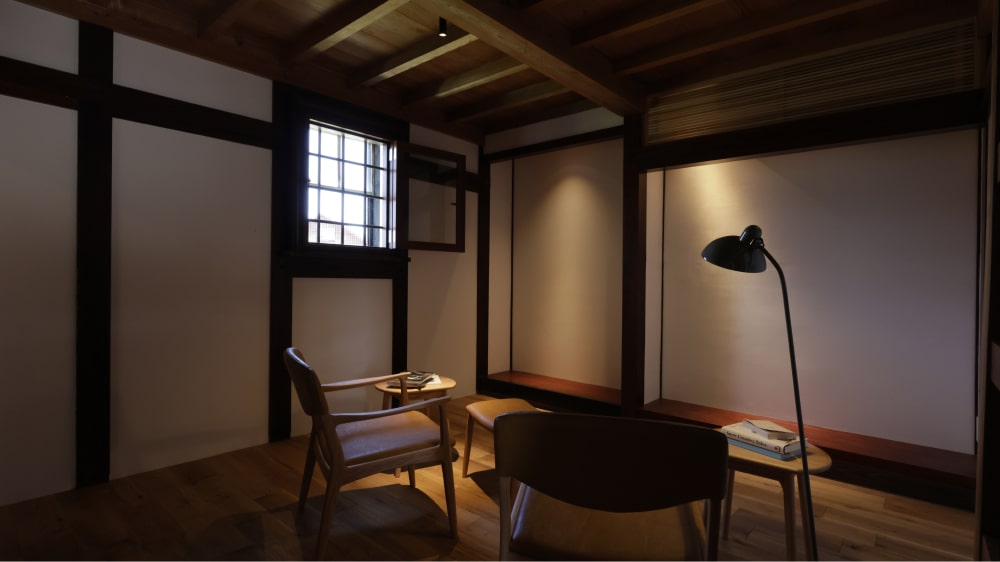
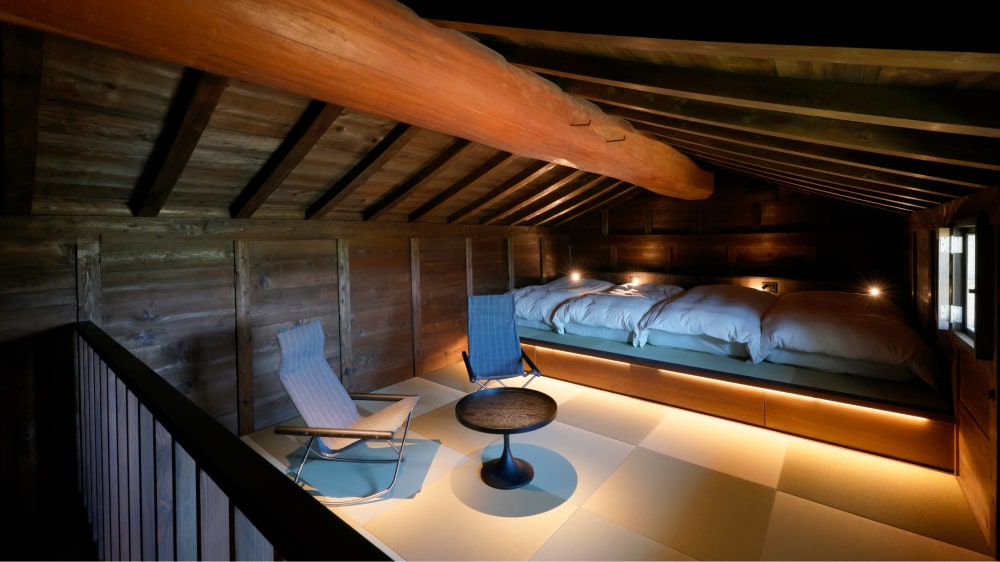
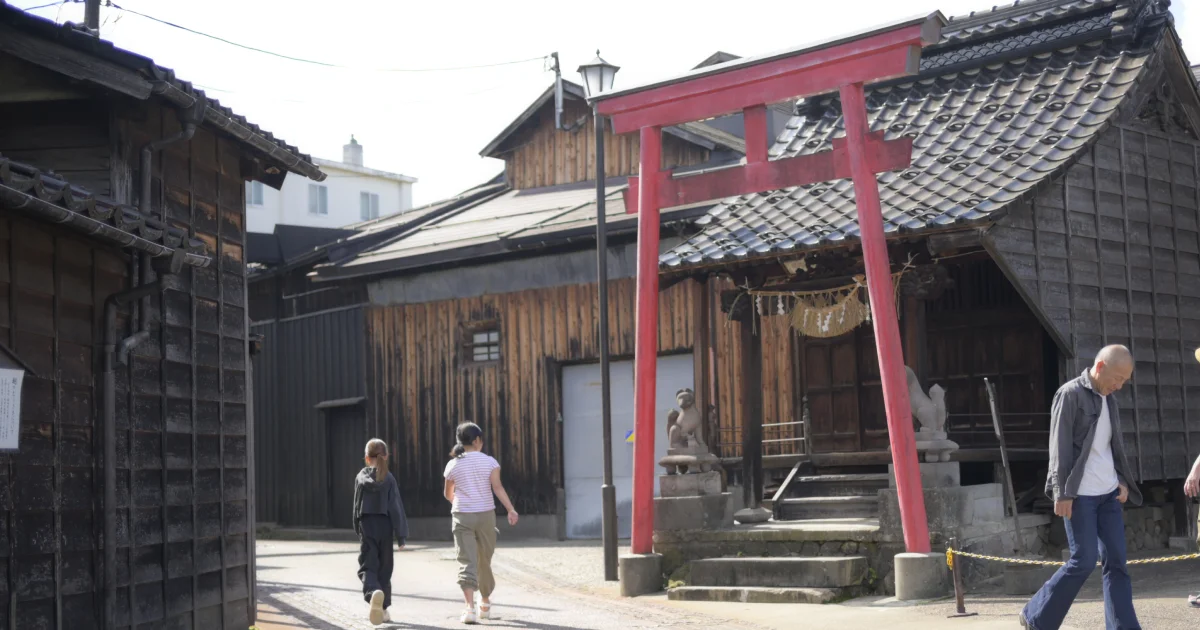
Walk from a contemporary artwork into a village where life follows the seasons. Spend a winter day on the slopes, then gather around your own dining table. In Niigata’s snow country, an art journey or ski holiday can also be a chance to feel at home in rural Japan. The House Collection brings together five restored country houses and two storehouse cottages in Tokamachi and Minamiuonuma. From the Echigo-Tsumari Art Triennale to the ski resorts around Yuzawa, our English-speaking concierge helps you plan days that suit your interests. Return to hotel-quality bedding and amenities, with the care of Satoyama Jujo throughout your stay.
Art among the rice fields. Snow on the mountains. A home in the countryside.
Echigo-Tsumari Art Triennale
Contemporary art, rooted in rural Japan.
The Echigo-Tsumari Art Triennale is an international contemporary art festival held every three years across Tokamachi and Tsunan in Niigata. Art appears among rice terraces, in former schools and inside traditional houses, inviting you to discover the communities around it. Between festival editions, the Echigo-Tsumari Art Field offers permanent works and seasonal programmes. Our concierge can help check what is open for your dates and plan a route through this widely scattered landscape.
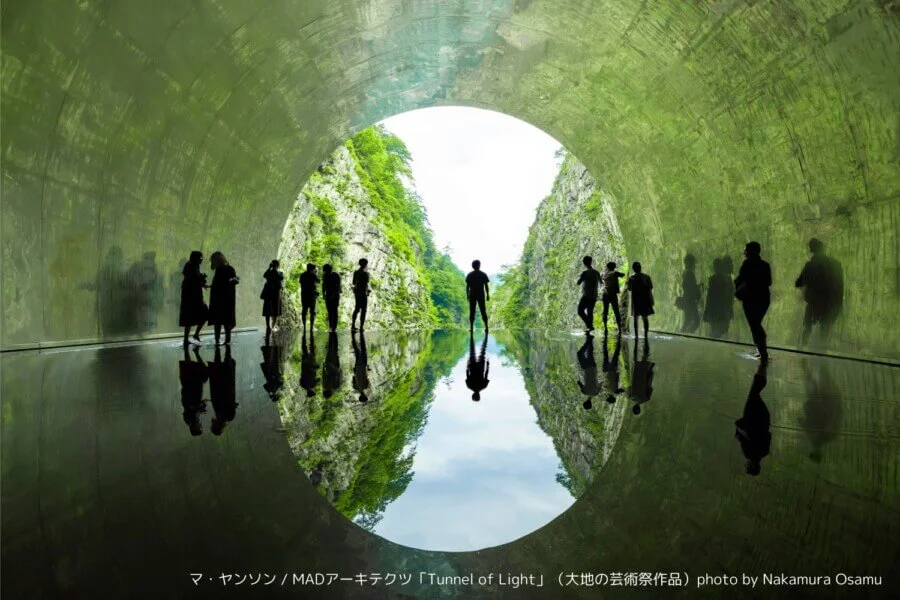
At Kiyotsu Gorge, Ma Yansong / MAD Architects transformed a walking tunnel into Tunnel of Light. At its final viewpoint, water and reflective walls bring the gorge into the room. It is a striking meeting of contemporary architecture and the Niigata landscape.
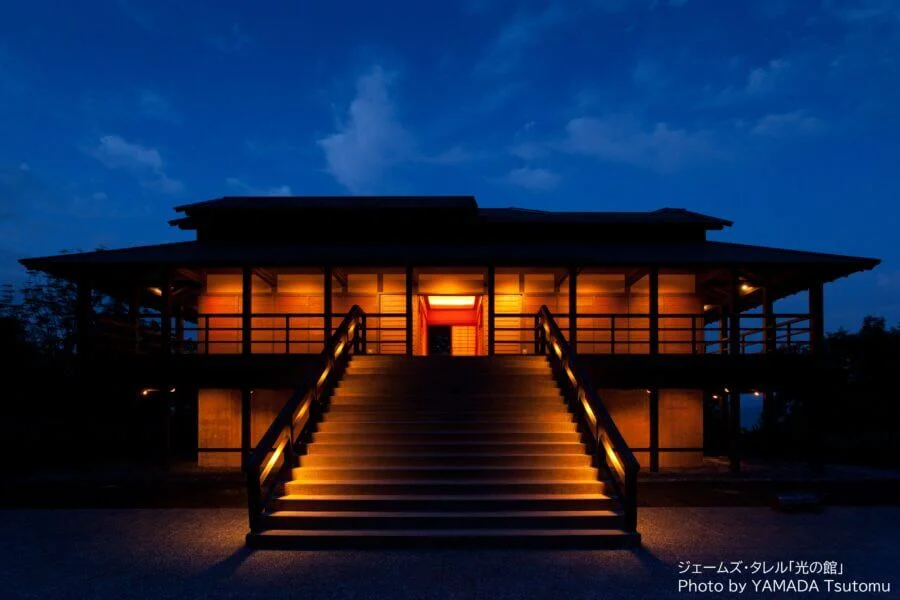
In a traditional Japanese house in Tokamachi, James Turrell invites you to look closely at light and the sky. House of Light offers daytime visits at designated times; ask our concierge to check the viewing schedule before you go.
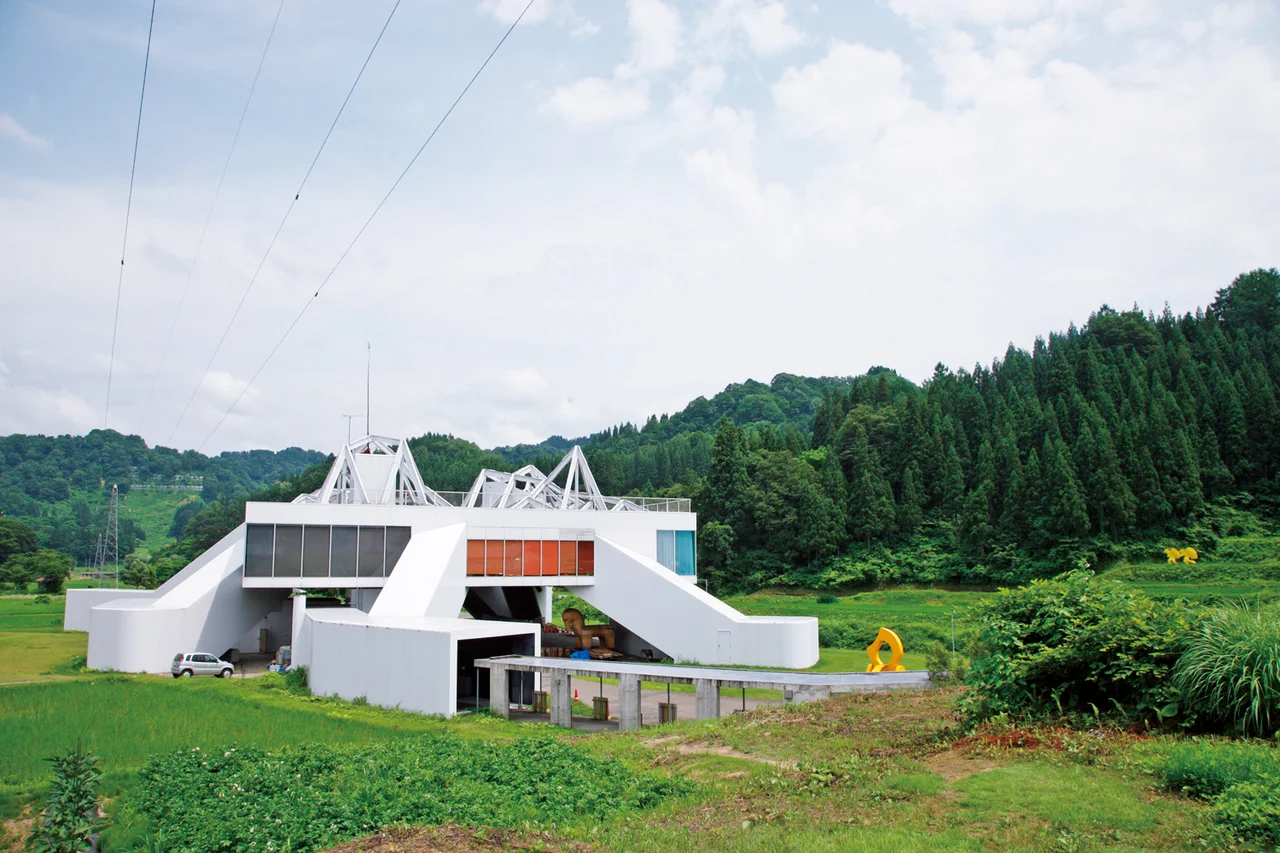
Museum on Echigo-Tsumari, MonET
MonET, the contemporary art museum in central Tokamachi, is a useful starting point for exploring the Art Field. Discover its collection and seasonal exhibitions before heading out into the villages and rice fields.
Yayoi Kusama · Tsumari in Bloom
Continue to Matsudai to discover Yayoi Kusama’s Tsumari in Bloom, a colourful outdoor flower sculpture in the rural landscape around Matsudai NOHBUTAI. It adds another perspective to a day exploring the Echigo-Tsumari Art Field. The work is closed in winter; our concierge can help check seasonal viewing dates.
Where to stay for Echigo-Tsumari art
Sen and Atema place you within Tokamachi’s rural landscape. Izumi, Kiroku and Ueda offer a different village setting across the mountains in Minamiuonuma. All combine the character of a Japanese country house with Satoyama Jujo’s hotel comforts and concierge care.
Some works close seasonally, particularly in winter, and some visits require advance booking. Our team can help you choose a rewarding itinerary for the time of year.
Skiing in Niigata
Echigo-Yuzawa ski days. Your own house to come home to.
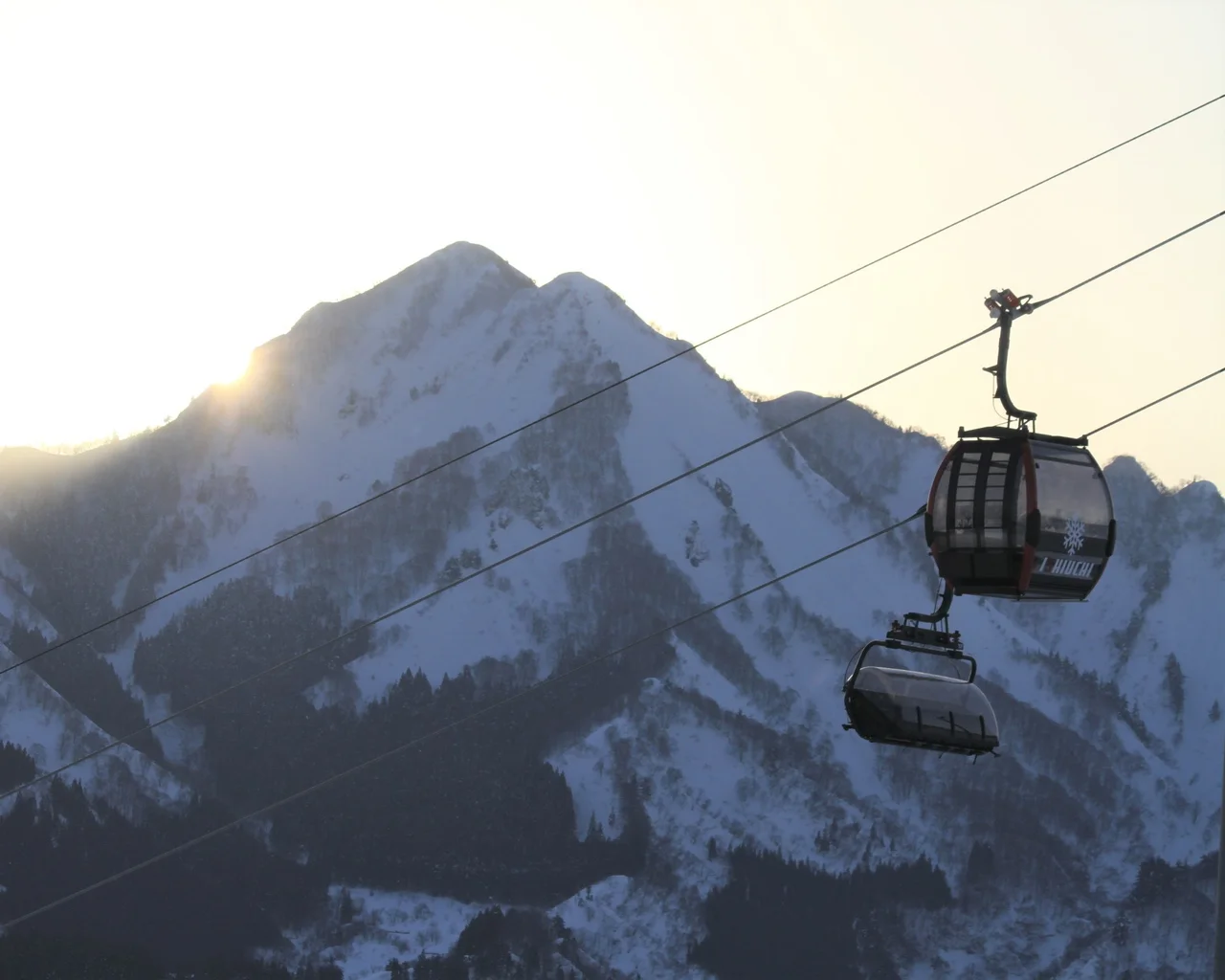
For skiing near Tokyo, travel to Echigo-Yuzawa on the Joetsu Shinkansen, with the fastest journeys taking around 75 minutes. Continue to your house in Minamiuonuma or Tokamachi and settle in for a few nights. Spend the day on the mountain and the evening around your own table, with warm rooms, hotel-quality amenities and concierge support.
Winter in Niigata’s snow country.
GALA Yuzawa, Kagura & Naeba
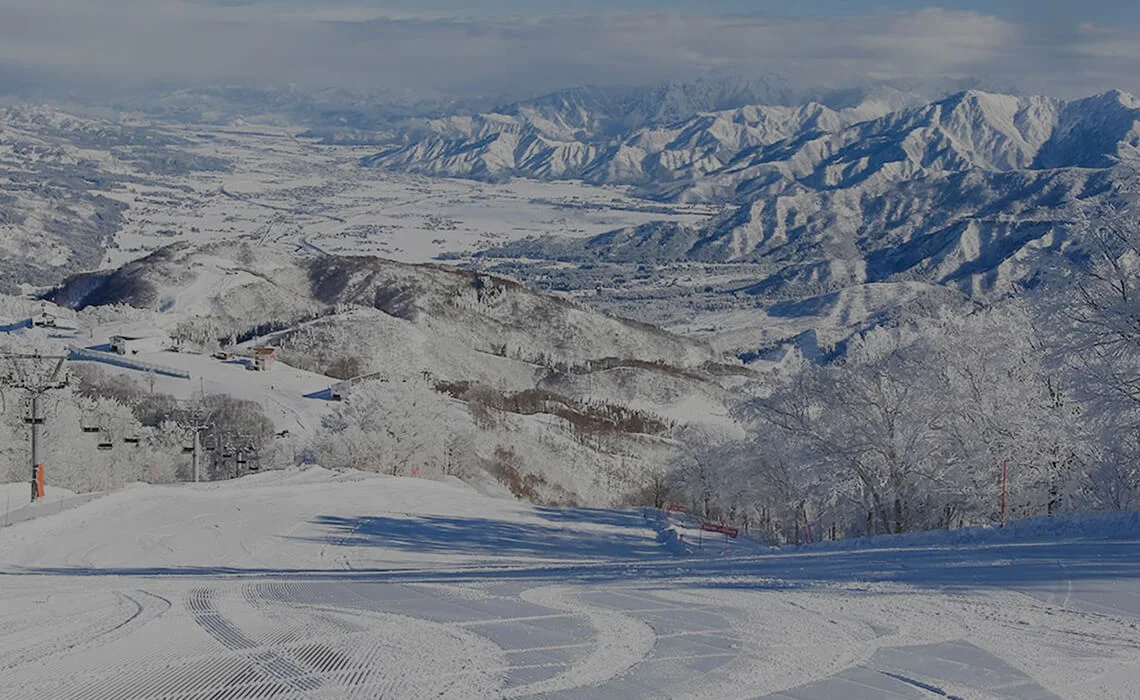
The wider Yuzawa area gives you several ways to enjoy the snow. GALA Yuzawa Snow Resort has its own bullet-train station, while Kagura Ski Resort and Naeba Ski Resort lie farther into the mountains. Our concierge can help you compare the journey from your chosen house and plan around your interests, experience and the weather.
Slopes close to our villages
Maiko Snow Resort and Ishiuchi Maruyama Ski Resort are convenient options from Kiroku and Ueda. Atema is just a few minutes by car from the Atema slopes of Joetsu Kokusai Ski Resort. Each house’s access page gives the relevant local details, so you can choose a house as thoughtfully as you choose the mountain.
These are village houses, with road transfers to the slopes. Resort openings, lift operations and journey times depend on weather and snow conditions. Arrange transport in advance, especially in winter.
Explore with a private car and driver
A complimentary day to discover more.
Leave the driving to someone who knows the roads, and enjoy a day of art, village visits or a winter outing planned with our English-speaking concierge. Eligible stays of two nights or more include a private car and driver at no extra charge on an eligible day between arrival and departure. Check the selected plan for its service hours and eligible days, and arrange your itinerary in advance. Kura 01 and Kura 02 are excluded, as are some booking plans. Please confirm your plan’s inclusions and your itinerary with us. Arrival and departure transfers are separate arrangements; see each house’s access page for details.
Encounter art, walk through the forest and pause in a hot spring. Discover fifty-three places to visit, chosen for different seasons and ways of spending your day.
Art in the landscape
Explore permanent works of the Echigo-Tsumari Art Field. Check opening dates for each artwork and museum.
Kiyotsu Gorge Tunnel of Light
Ma Yansong / MAD Architects
Walk through a 750-metre tunnel to see the gorge reflected in the artwork Tunnel of Light. Allow around 40–60 minutes for the return walk, enjoying the rock formations and seasonal greenery or autumn colours. Advance reservations are required on some busy dates.
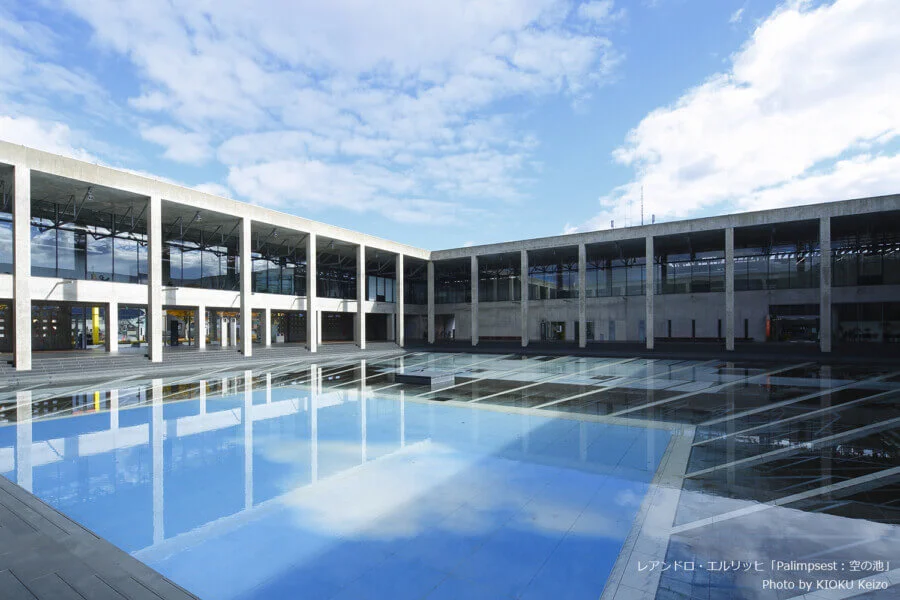
Echigo-Tsumari Satoyama Museum of Contemporary Art MonET
Leandro Erlich (pictured artwork)
Architecture and water meet in Palimpsest: Pond of Sky at this museum of immersive contemporary art. It makes a convenient starting point for exploring Tokamachi. Check the official information for exhibitions and opening days.
Discover works such as Yayoi Kusama’s Tsumari in Bloom and the Kabakovs’ The Rice Fields among the surrounding rural landscape. Explore both inside and outside the building. Access to outdoor artworks varies with the season.
Look up at the sky and experience light and shadow in this artwork housed in a traditional Japanese building. Daytime visits reveal its architecture and play of light. The roof may remain closed in rain, snow or severe weather.
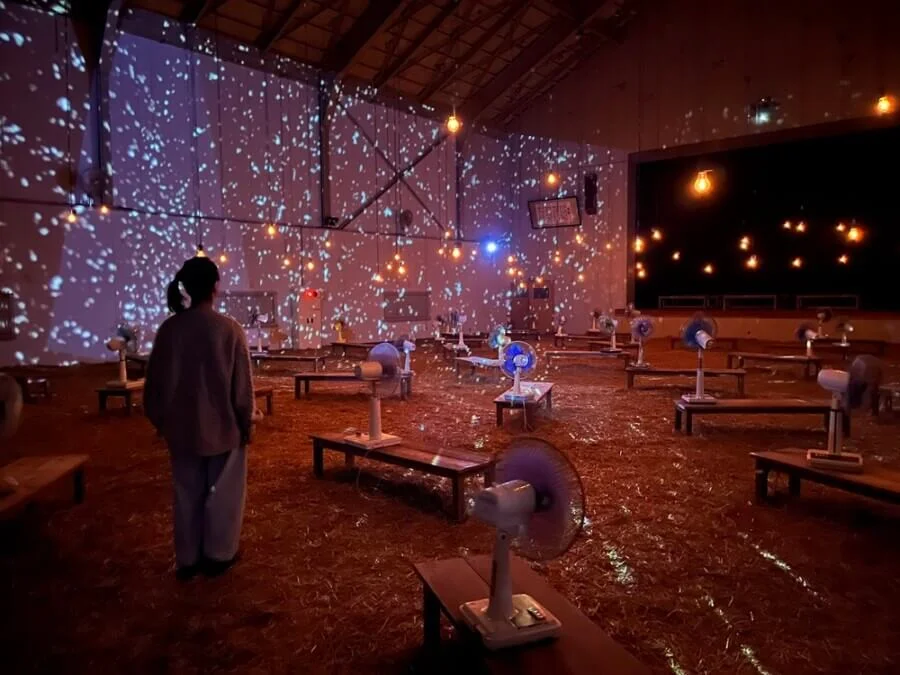
Light and sound emerge from the darkness of a former school, evoking the people who once spent time here. Move through the building and encounter its memories. Check opening dates in advance, especially in winter.
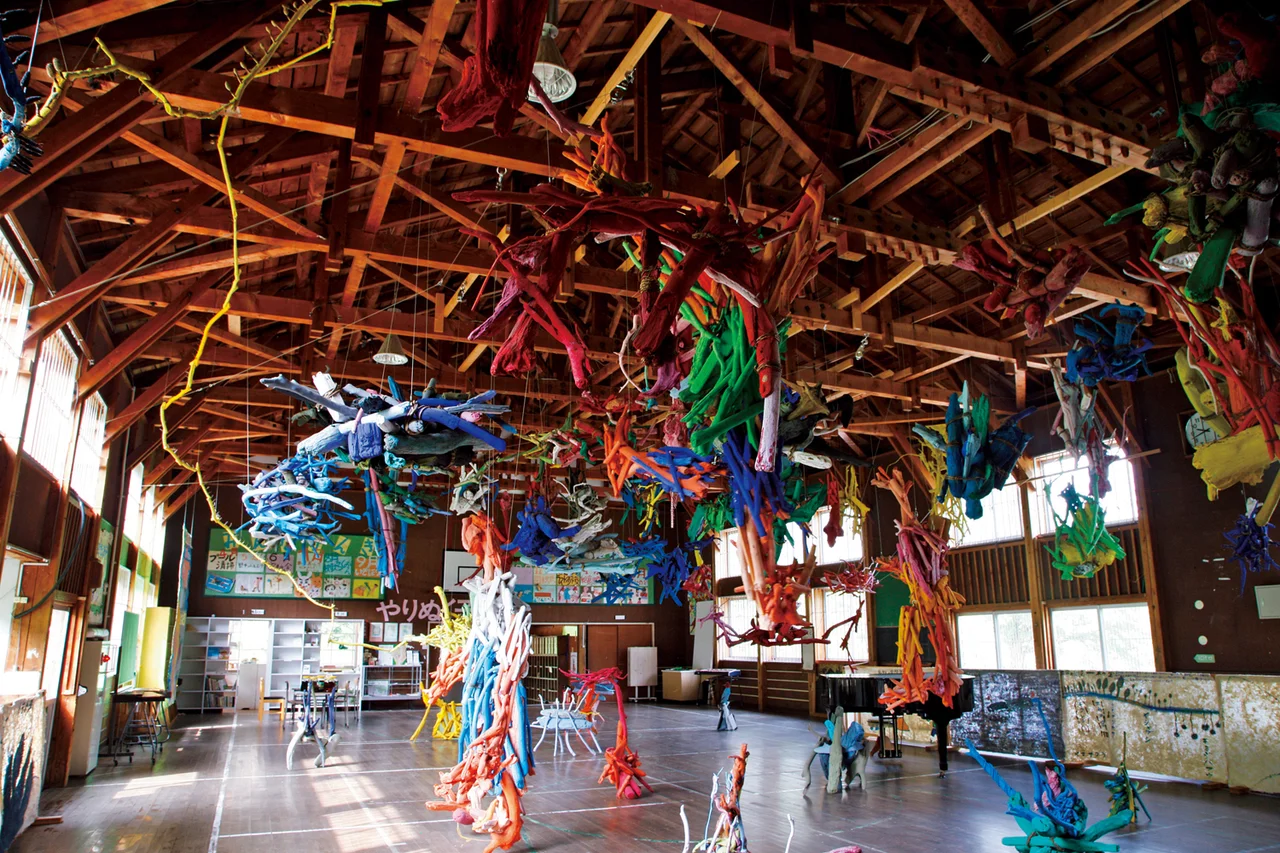
Driftwood and seed sculptures fill classrooms and corridors, turning a former school into a three-dimensional picture book. Follow its characters through the building on a visit that children and adults can enjoy together. Closed in winter.
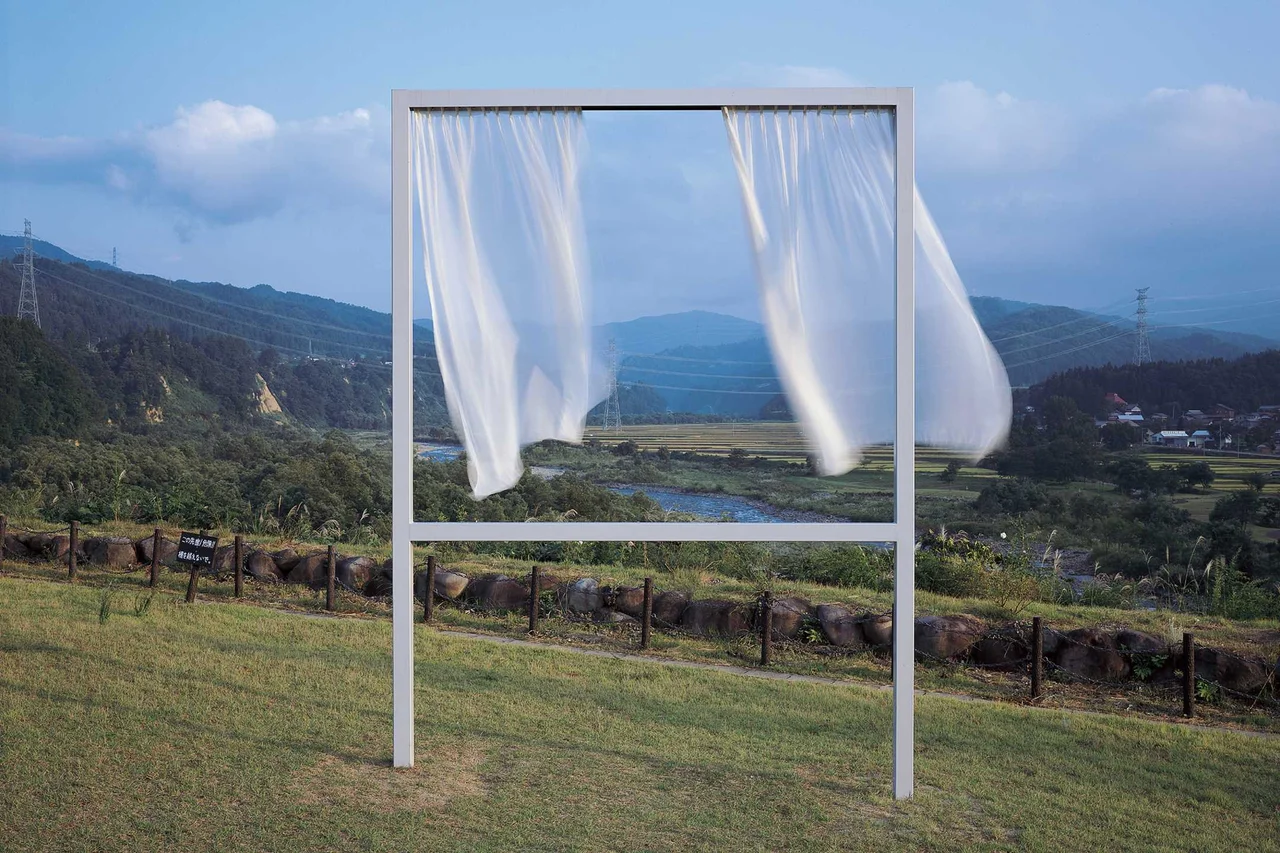
A large window frame and white curtains stand in a meadow beside the Shinano River. Watch the fabric move in the breeze as it frames the river and mountains. Take time to enjoy the landscape around this outdoor artwork. Closed in winter; check the current viewing schedule.
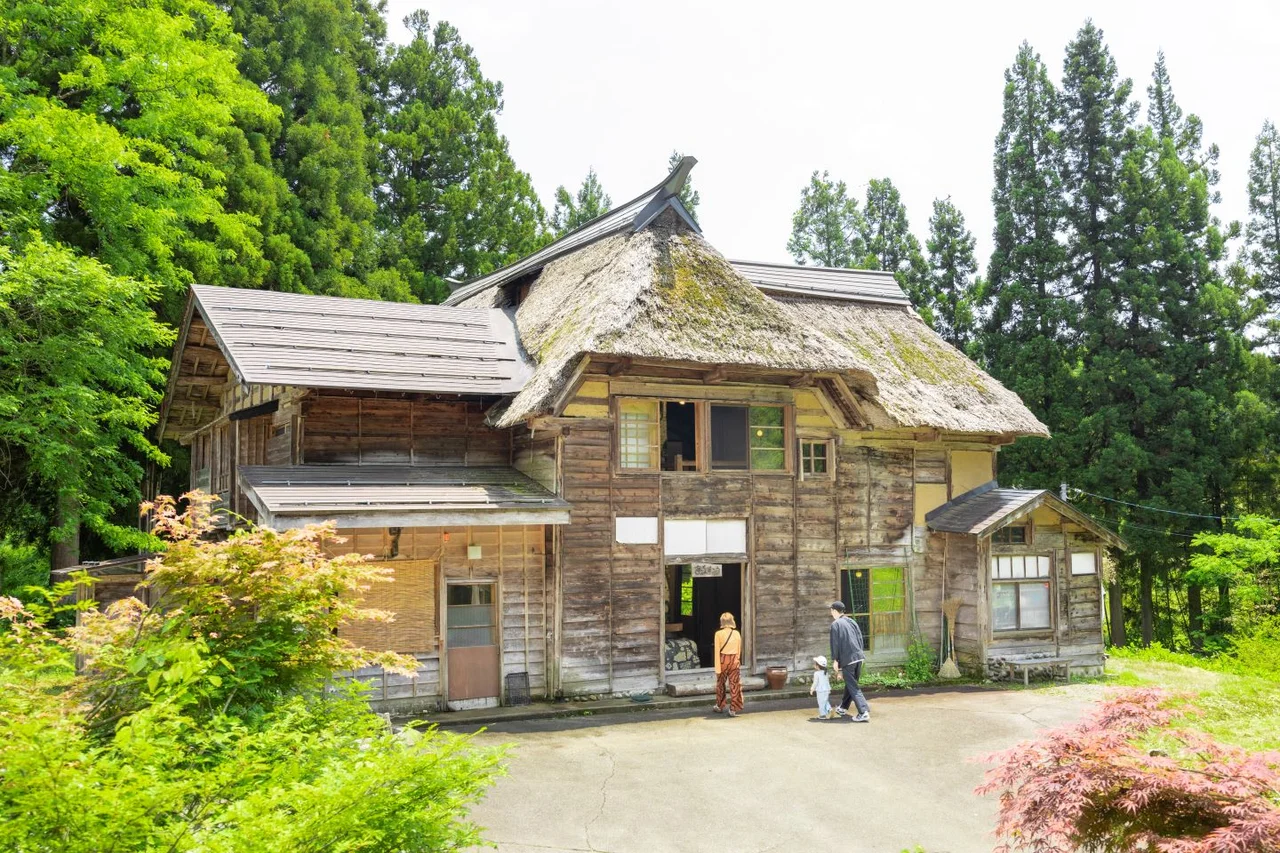
This thatched farmhouse brings together ceramics, an irori hearth and a traditional cooking stove created by ceramic artists. Local women also serve regional dishes on artists’ tableware. Opening dates are limited, so check the schedule before visiting. Lunch reservations are recommended.
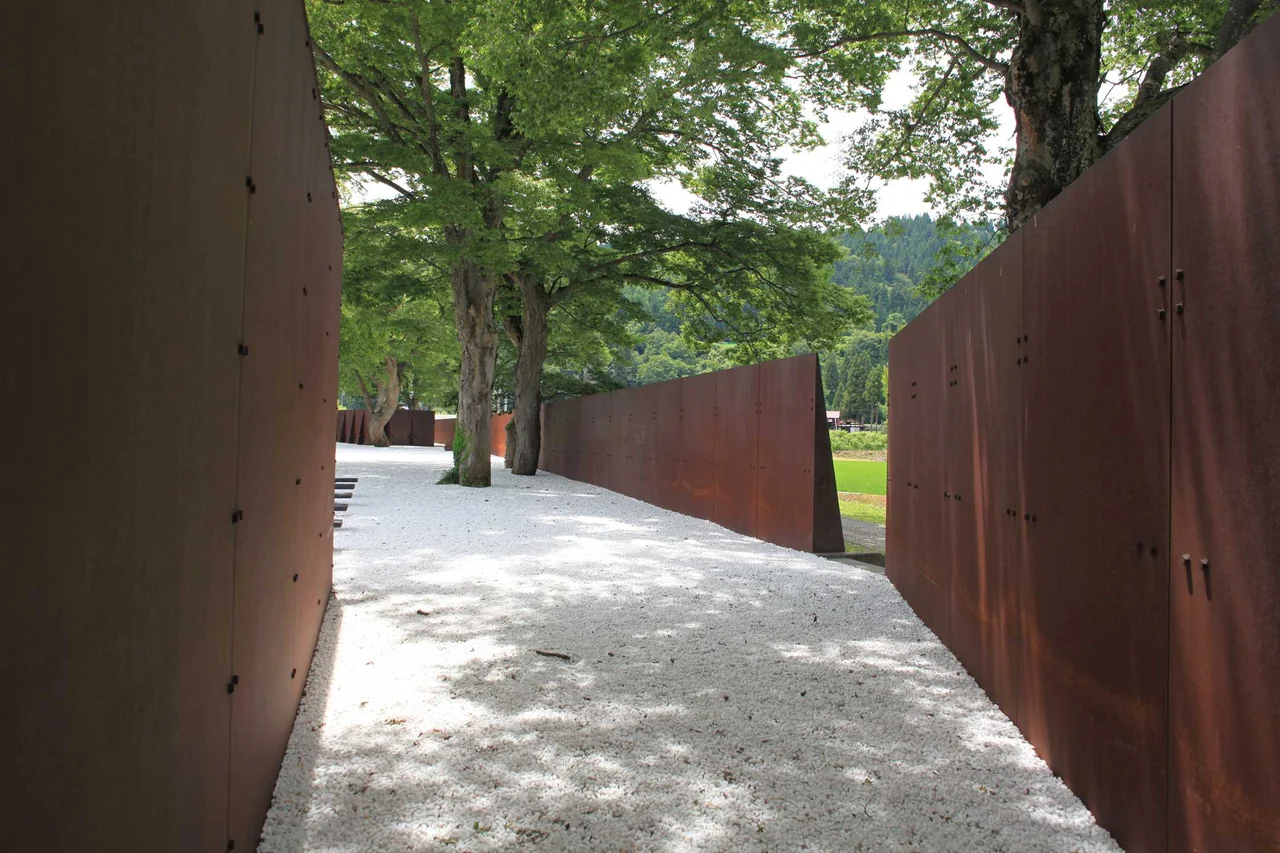
Steel walls and trees shape an outdoor space between rice fields and the river. Changing views invite you to reflect on the relationship between people and nature as you walk through the work. Enjoy a quiet moment by the water. Closed in winter; check the current viewing schedule.
Discover flowers, rice terraces, forests, gorges and mountain views. Choose between gentle sightseeing and mountain hiking to suit the season and your fitness.
Mt. Rokumanki
Spring / flowers and a short mountain walk
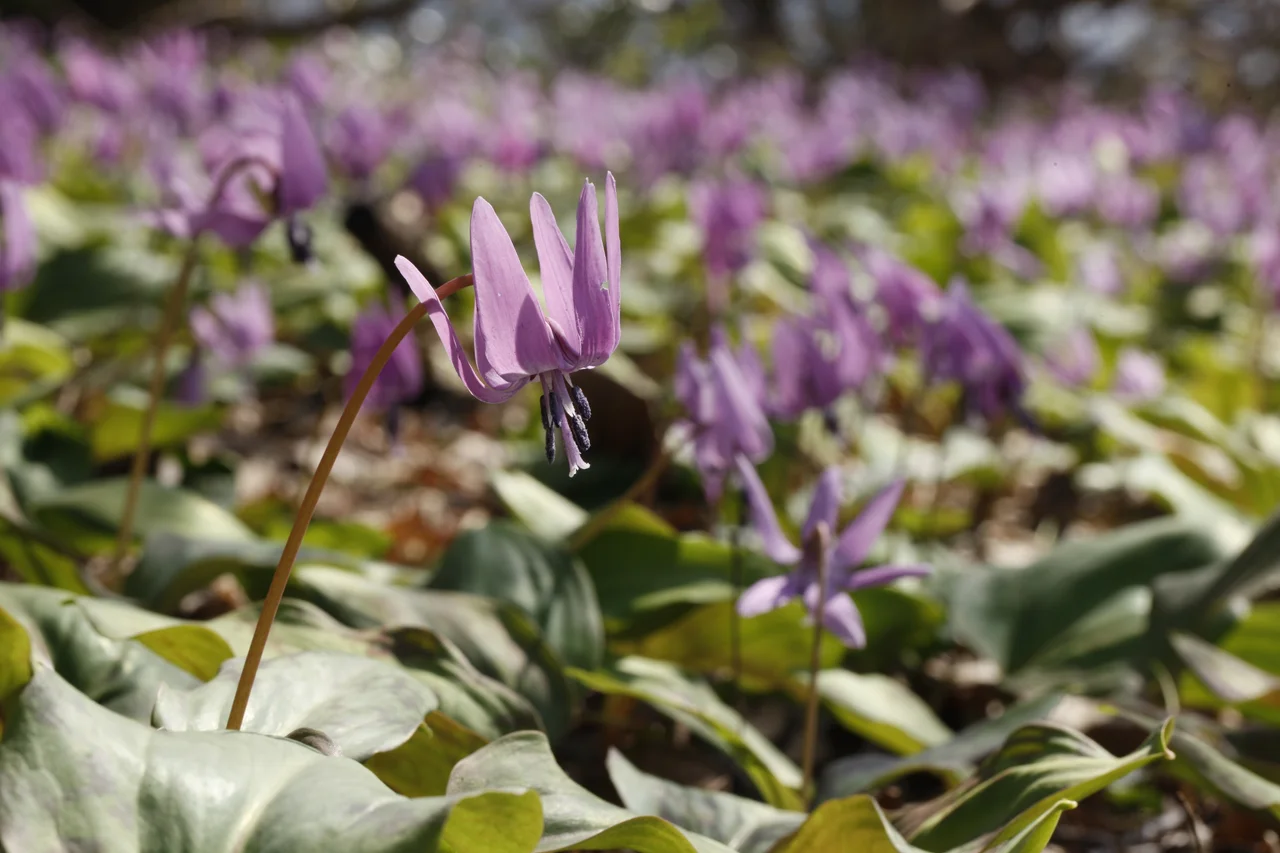
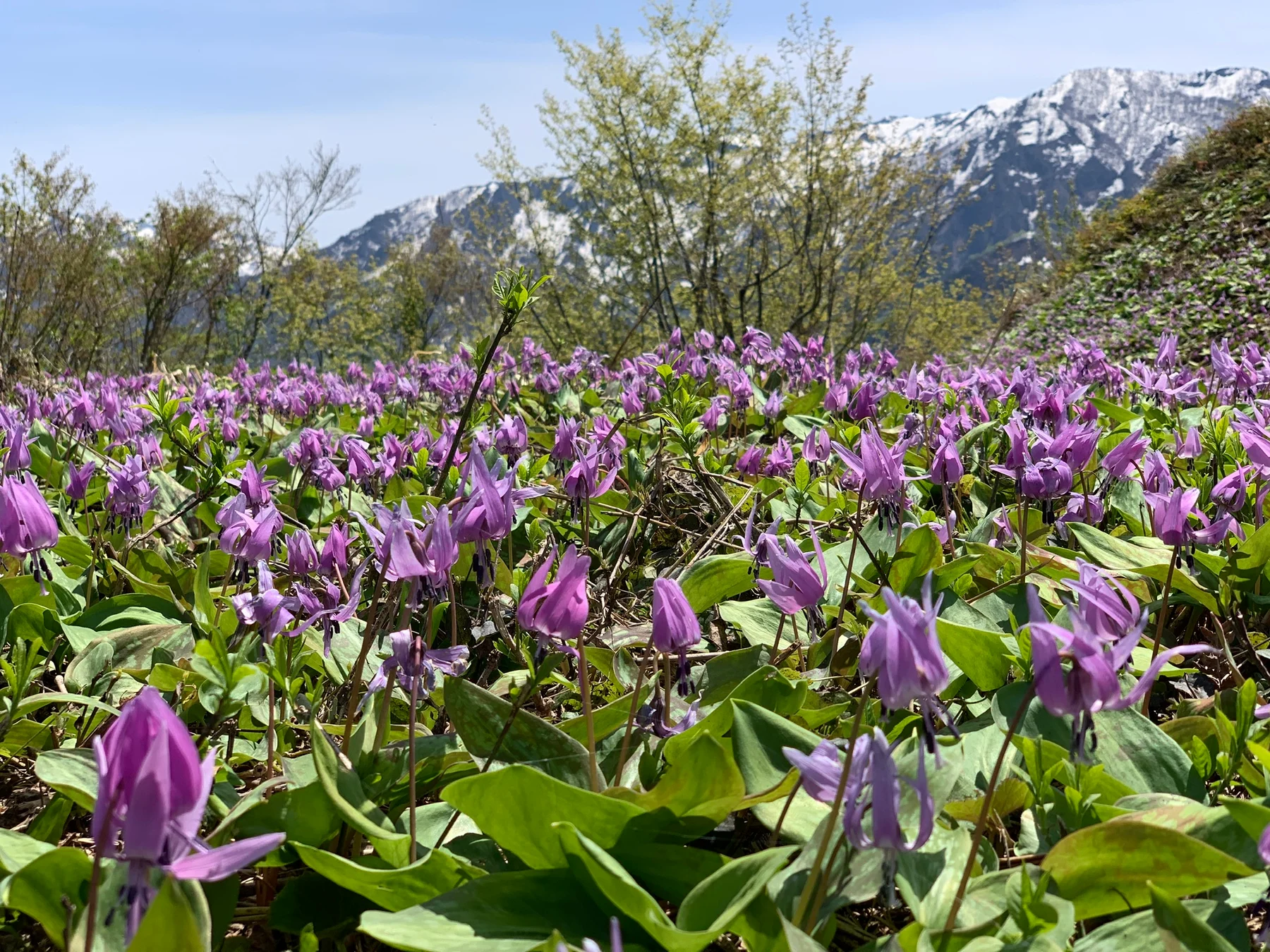
This 321-metre hill is known for its spring colonies of dog’s-tooth violets. The summit is about 35 minutes from the Koshinto trailhead, with a circular walk taking around an hour. Wear shoes with good grip when looking for spring flowers.
Dog’s-tooth violets brighten this 634-metre mountain in spring. The ascent along Yakushi Ridge takes around 90 minutes. Hiking boots are not essential, but wear shoes with good grip and bring drinking water.
Spring–autumn / mirrored skies and harvest scenery
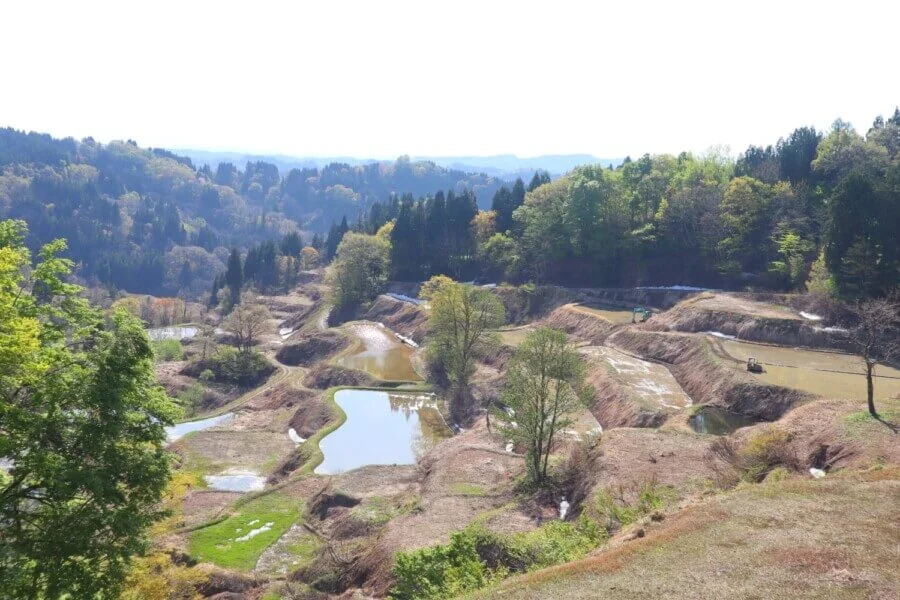
In spring and late autumn, water-filled terraces reflect the sky; in autumn, rice ripens to gold. These are working fields. Never enter the paddies or their banks, and enjoy the view quietly from the road.
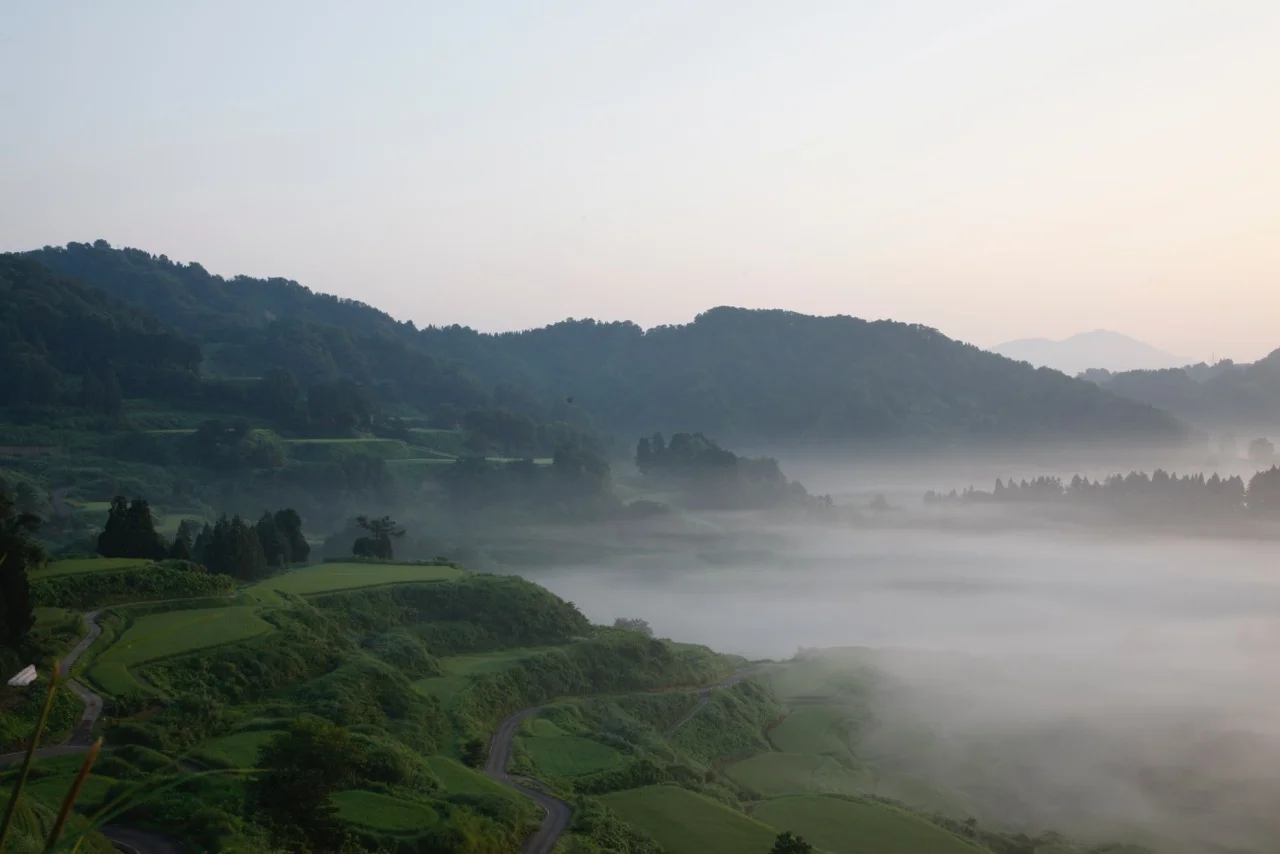
Layered rice terraces and mist drifting through the valley create a memorable rural landscape. Water-filled fields reflect the sky in spring, early summer and late autumn. Keep farm roads clear and stay out of the paddies and their banks.
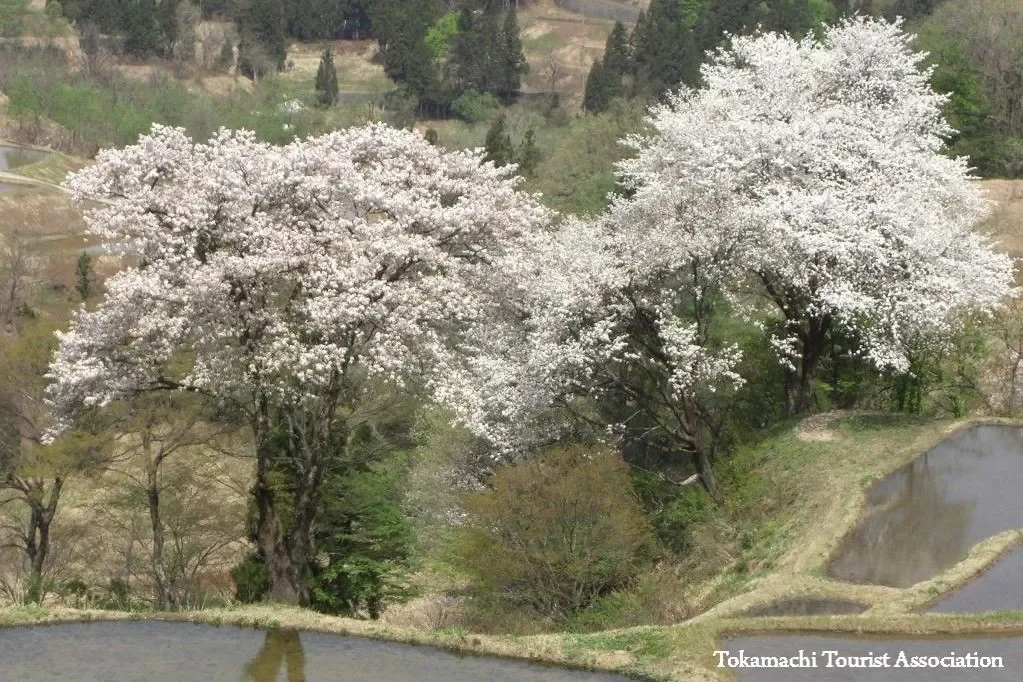
A wild cherry tree reflected in the terrace water is a distinctive spring sight. Blossoms usually peak from late April to early May, depending on the remaining snow. View from the roadside and take care around passing traffic.
Spring–autumn / the rural landscape of Minamiuonuma
Rice fields follow the mountain slopes, with views towards the Uonuma ranges. Enjoy a drive past mirrored spring paddies, summer greenery or autumn rice. Avoid disturbing farm work and do not enter fields or private land.
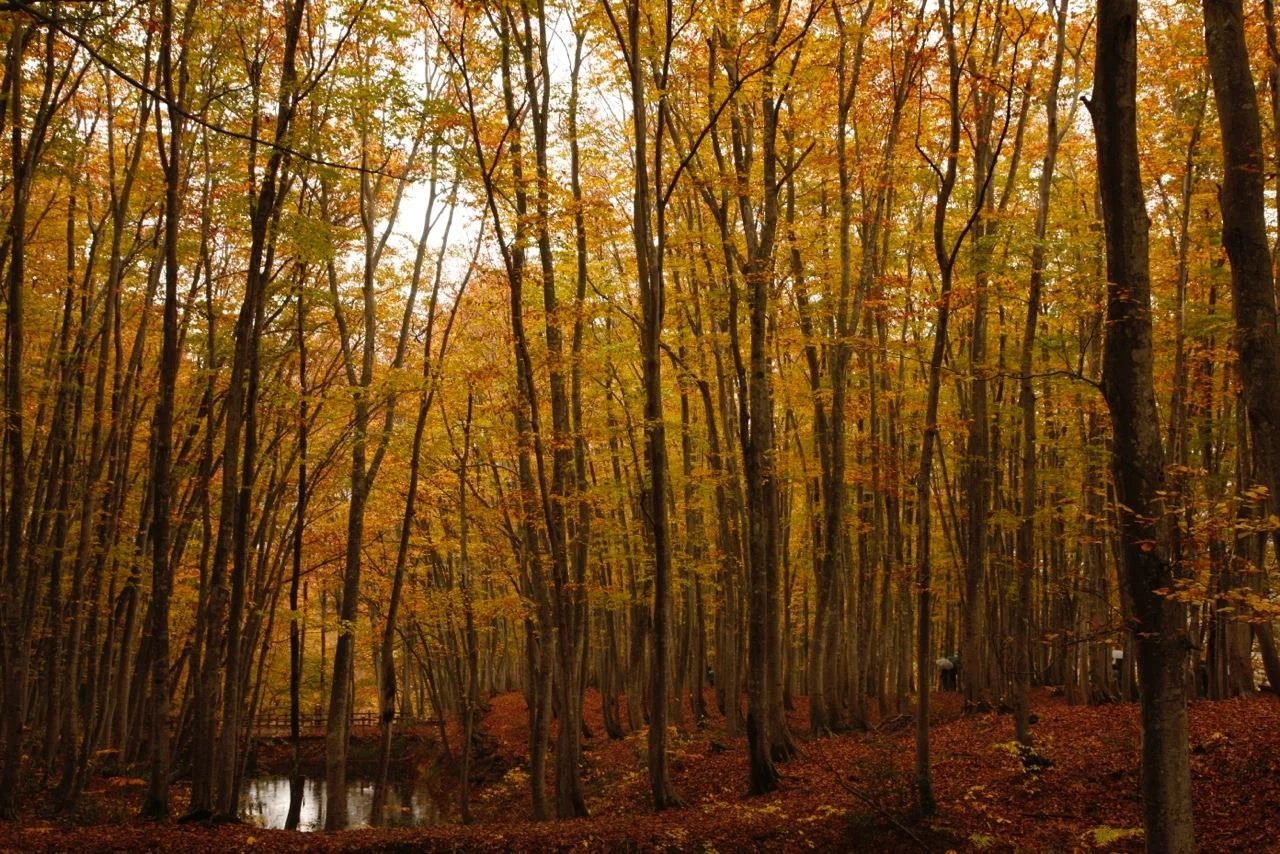
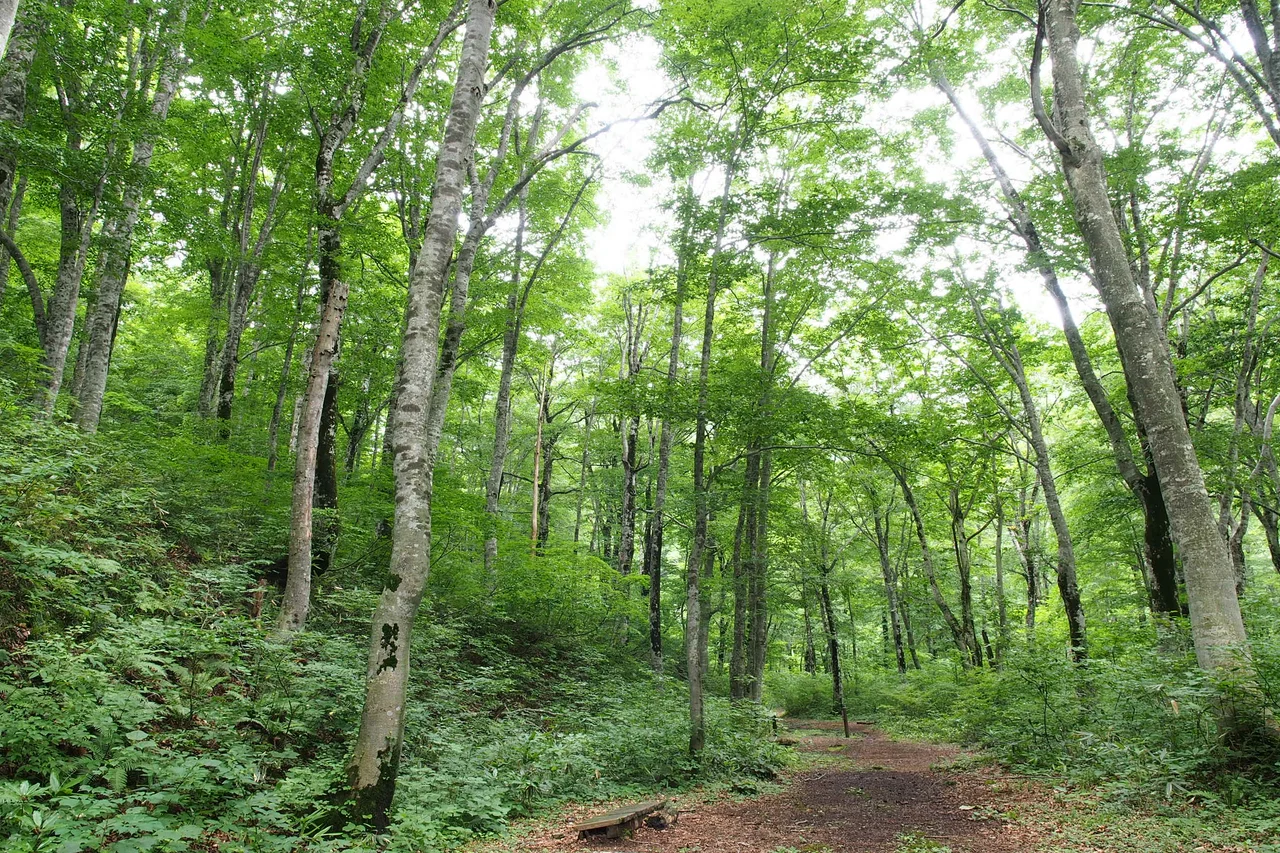
Slender beech trees provide an inviting place for a short walk: fresh leaves in spring, shade in summer and golden foliage in autumn. Watch your footing and take care not to damage the tree roots.
Early summer–autumn / walking beside the Kiyotsu River
The route from Yagisawa to Phytoncide Plaza takes about 90 minutes each way, or three hours return. Bring hiking footwear and rainwear. The Ichinamba route from Eitaro Pass to Yuzawa Kogen is closed; do not attempt to continue through.
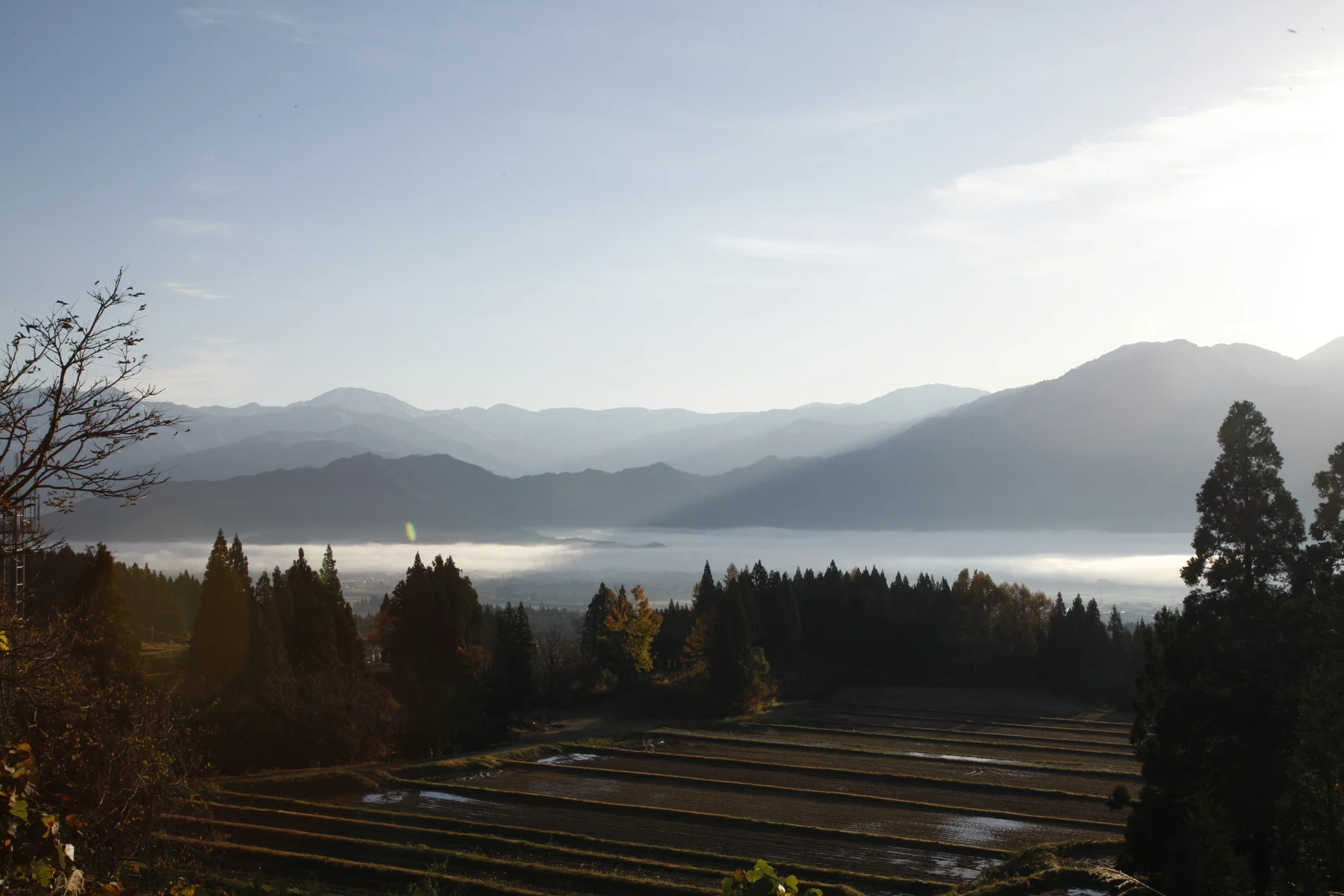
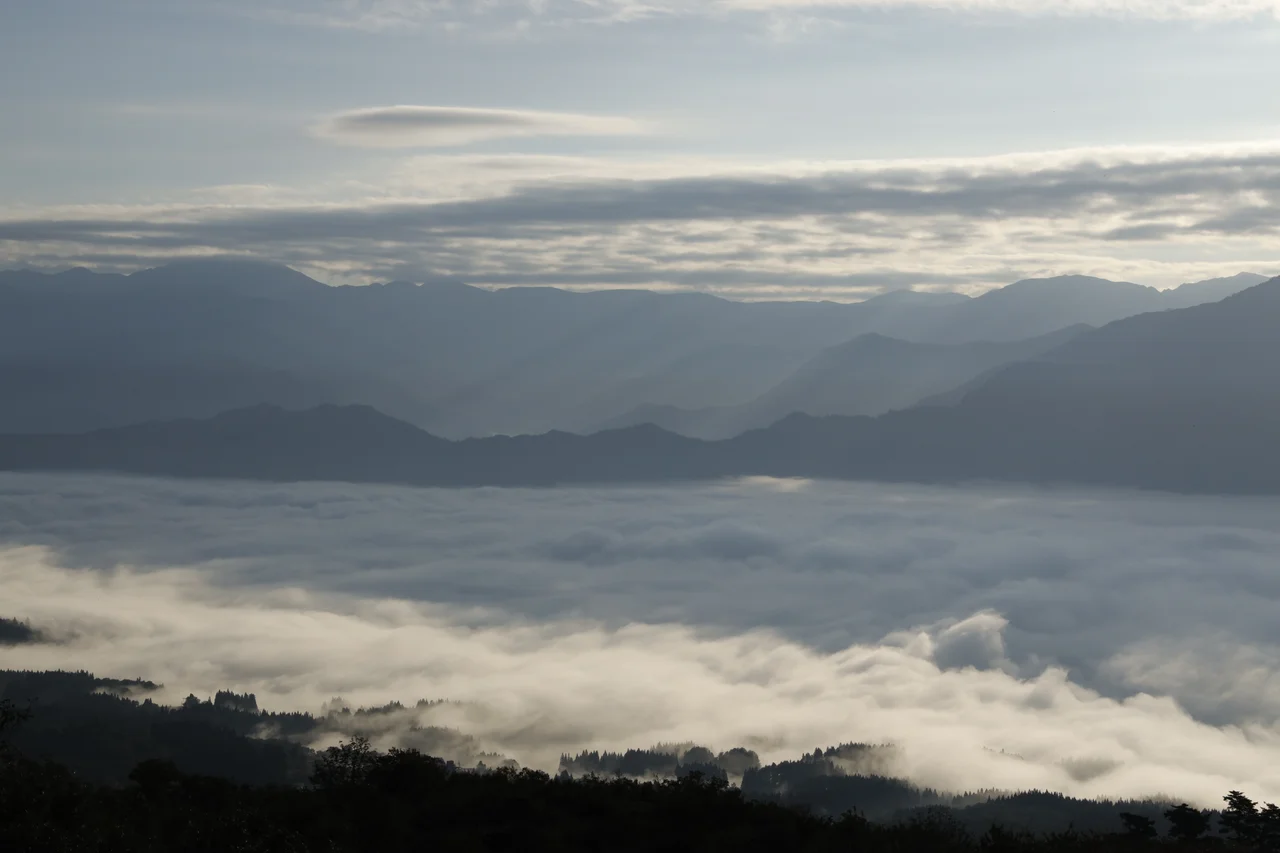
Look across the Uonuma Basin and the Echigo mountains from this viewpoint on the Uonuma Skyline. A sea of clouds may appear early in the morning when conditions align. The road closes in winter; check access before travelling.
Spring and autumn / a sea of clouds from the pavilion
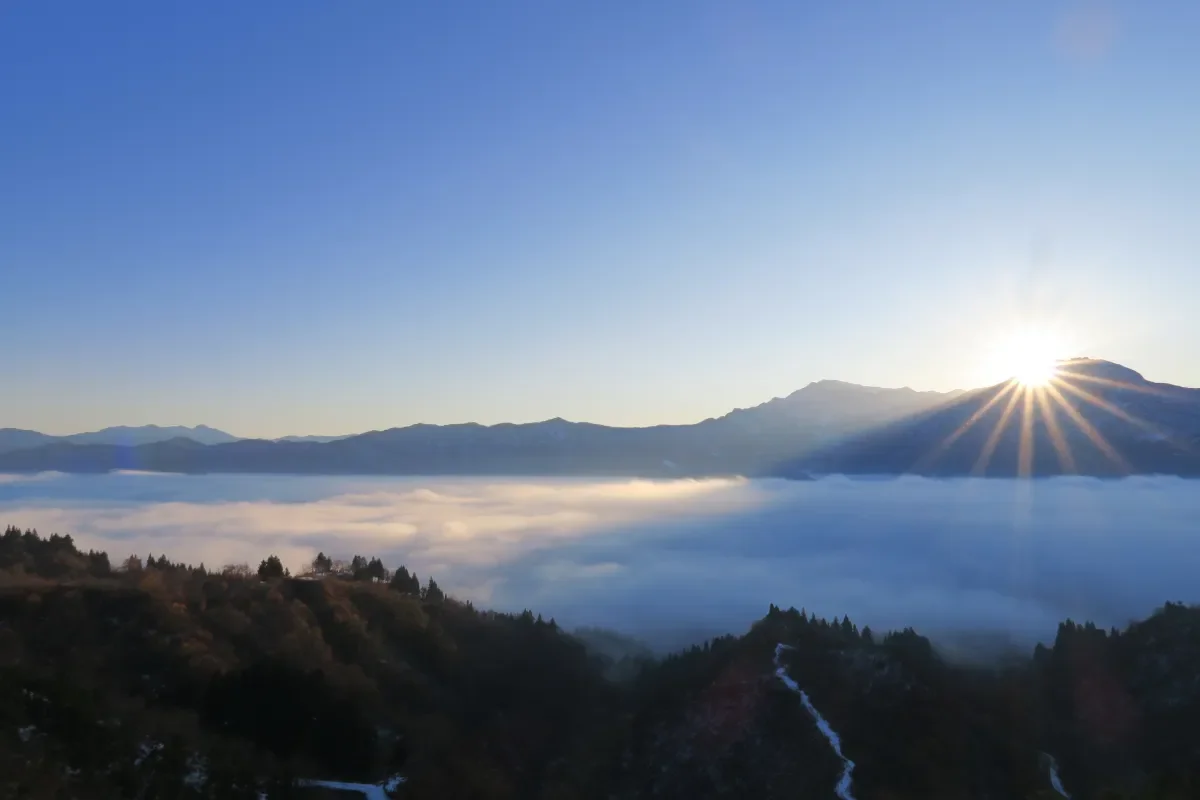
From the pavilion, watch the sun rise over Mt. Hakkai and Echigo-Komagatake beyond a sea of clouds. Spring and autumn mornings offer a chance of this view. Bring warm clothing; the forest road is narrow and inaccessible in winter.
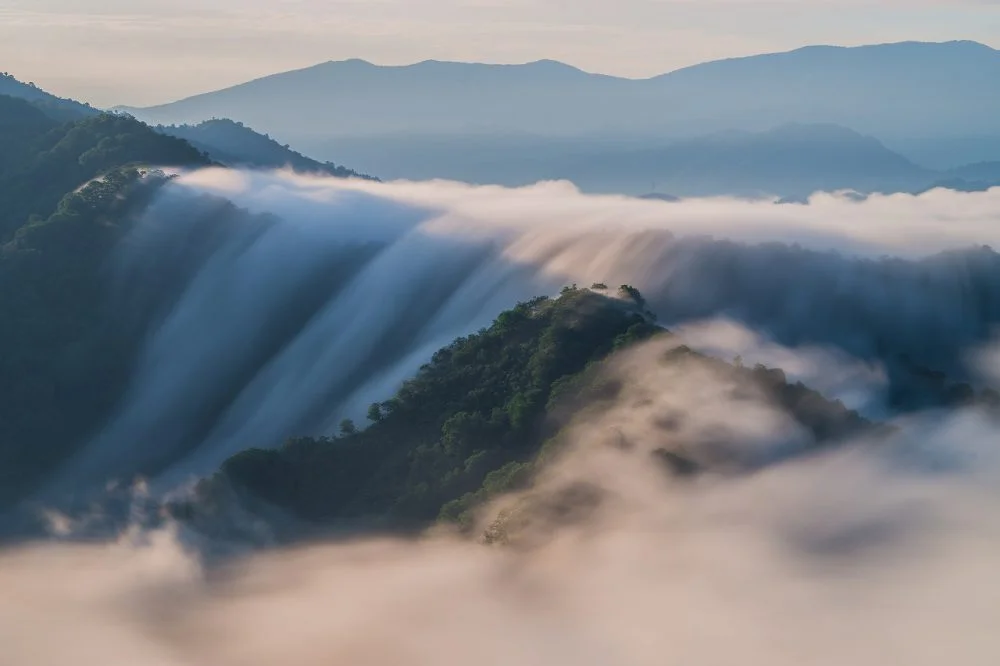
This viewpoint is known for clouds spilling over a mountain ridge like a waterfall. On autumn shuttle operating days, use the bus from Shirogane no Yu in Ginzan-daira as directed. Check transport information and dress warmly for the early morning.
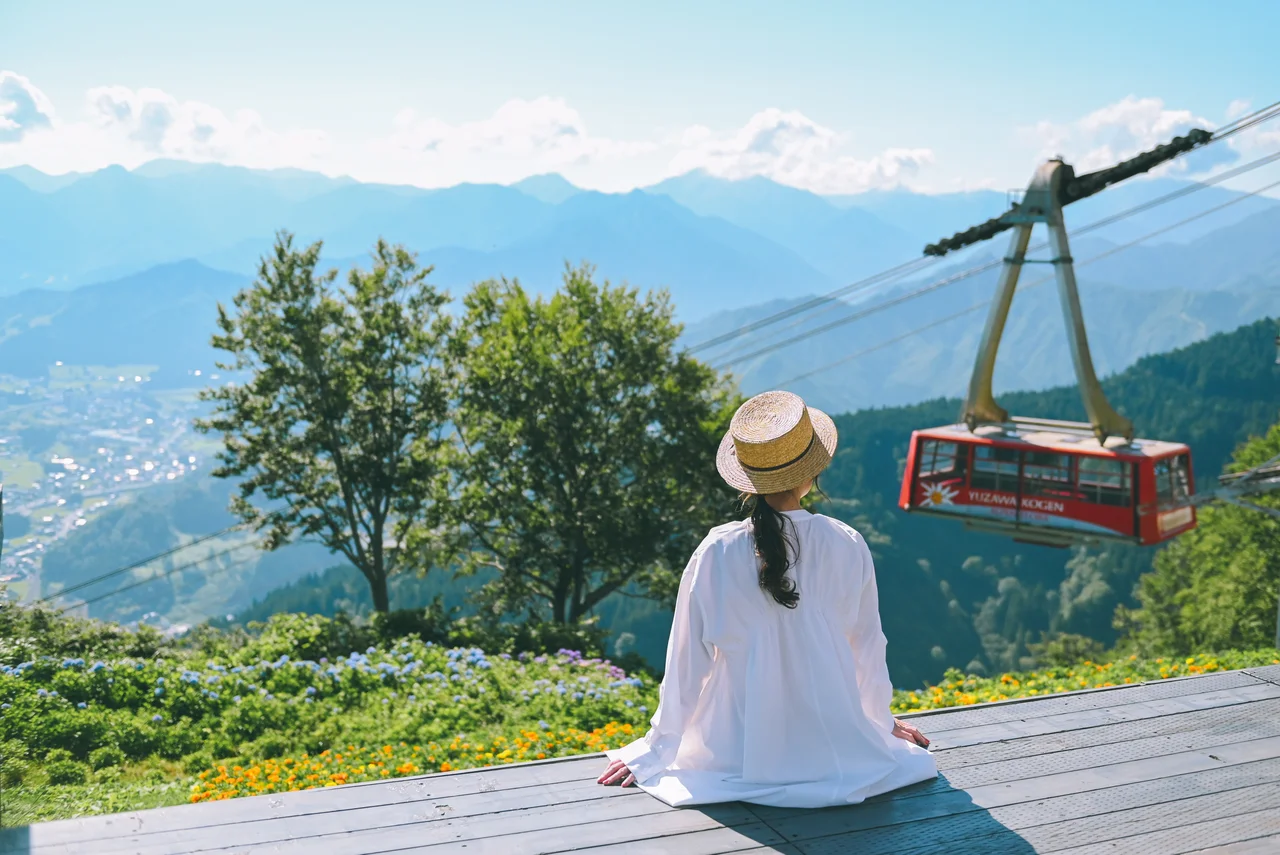
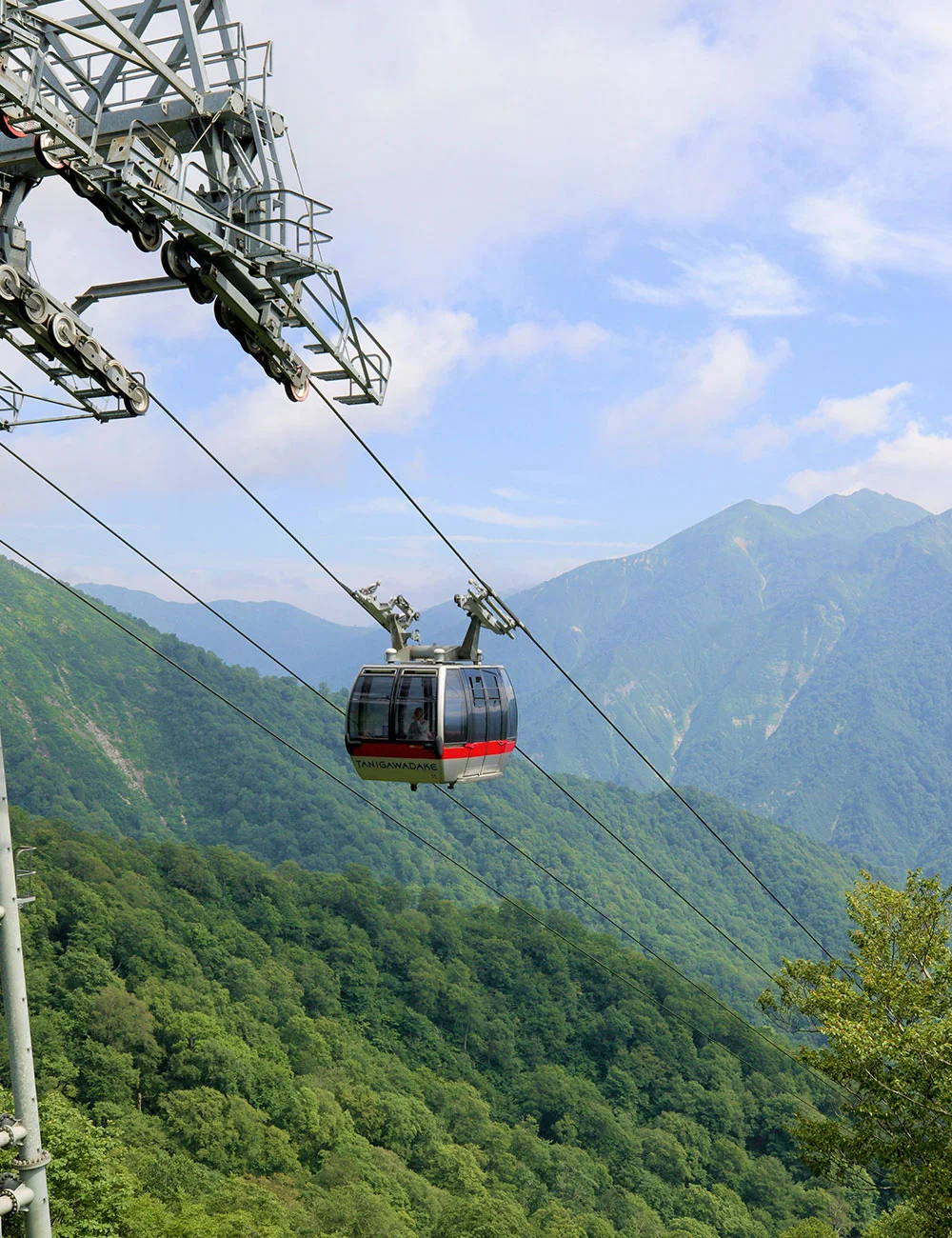
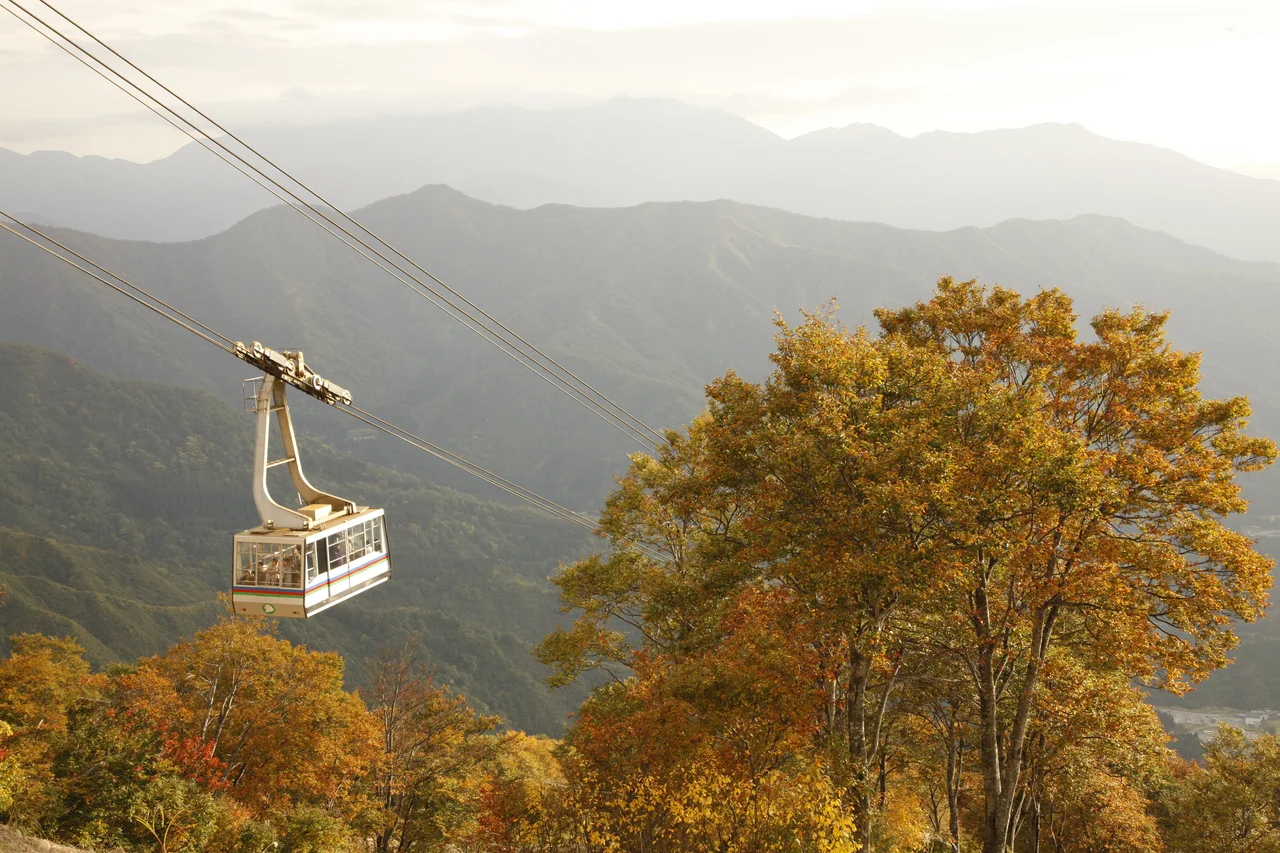
Ride for around seven minutes to a plateau overlooking Echigo-Yuzawa. Enjoy walks among the flowers or pause on a terrace. Wear comfortable walking shoes and check ropeway operations before setting out.
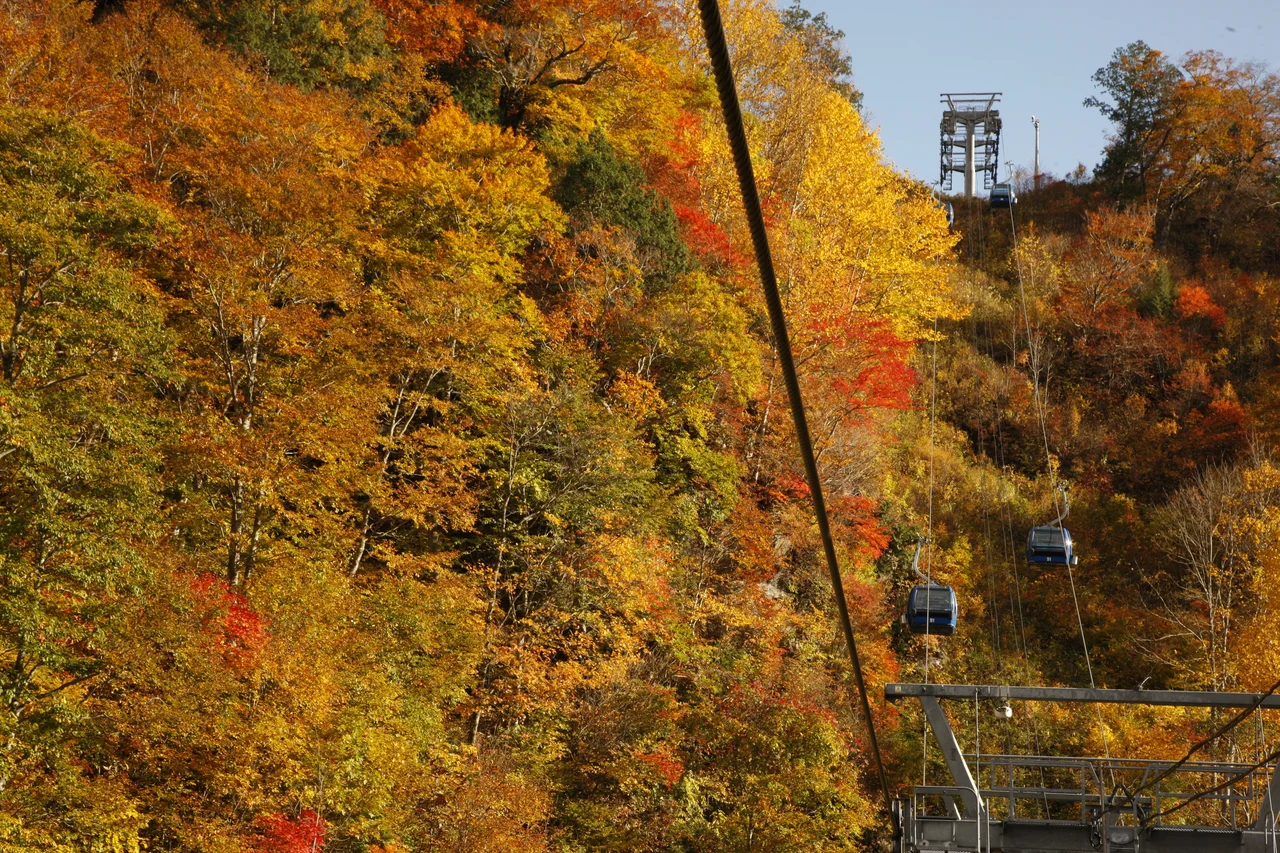
Travel around 5.5 kilometres across Naeba’s valleys and mountains on a gondola ride lasting about 25 minutes. The changing elevation brings autumn forests close to view. Autumn operations usually run from October to early November.
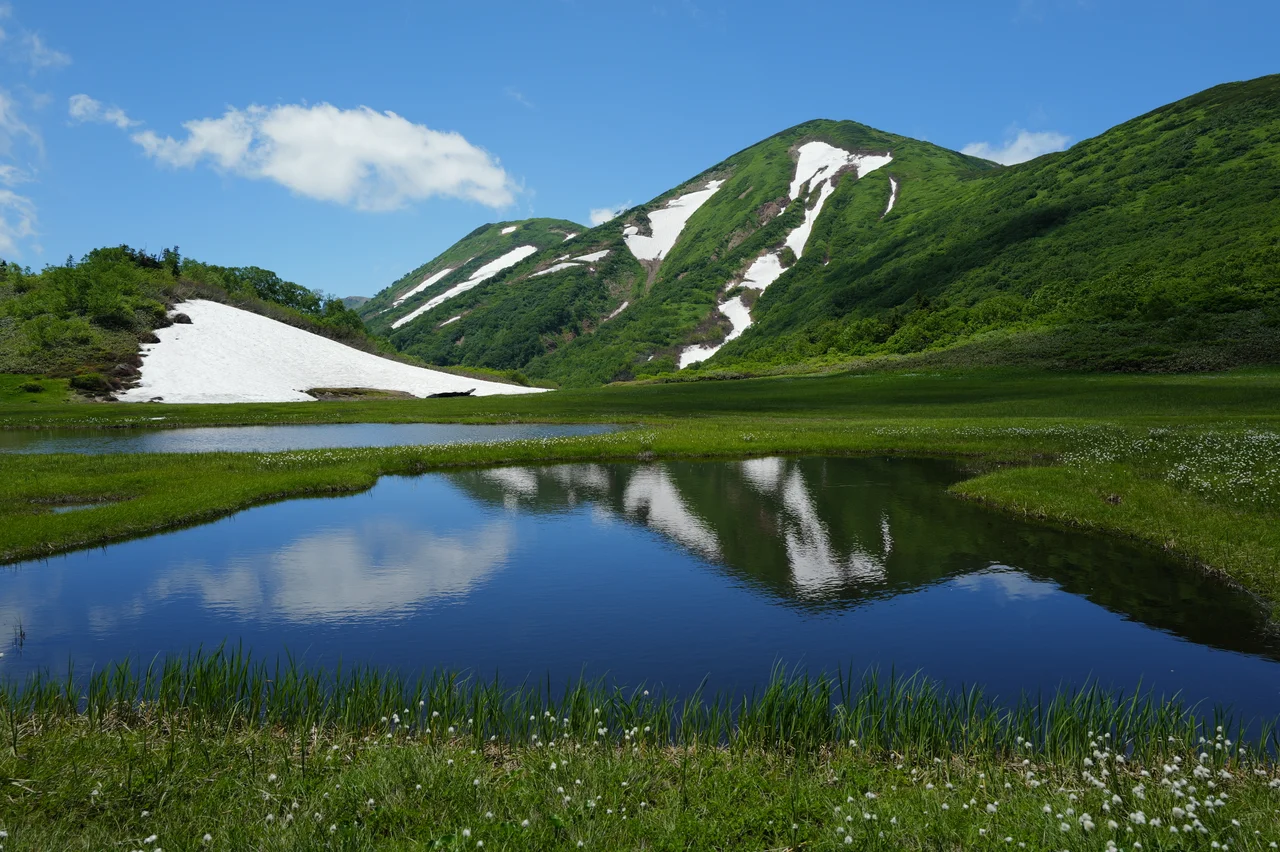
Summer–autumn / crampons and an ice axe essential during spring snow, generally until early June
Take the ropeway and lift for mountain views. Continuing from Tenjindaira to Mt. Tanigawa’s summit is a serious hike of around five hours return. Bring hiking boots and rainwear, and plan for your fitness and the weather.
Spring–autumn / crampons and an ice axe essential during spring snow, generally until early June
The ropeway reaches the fourth station. Senbonhinoki Hut is then about 2.5 hours away on foot, requiring hiking boots and rainwear. The further Yatsumine peaks have chain-assisted sections for experienced climbers. Plan a summit hike separately from a sightseeing visit.
Summer–autumn / snow often remains until late June; crampons and an ice axe essential in snow
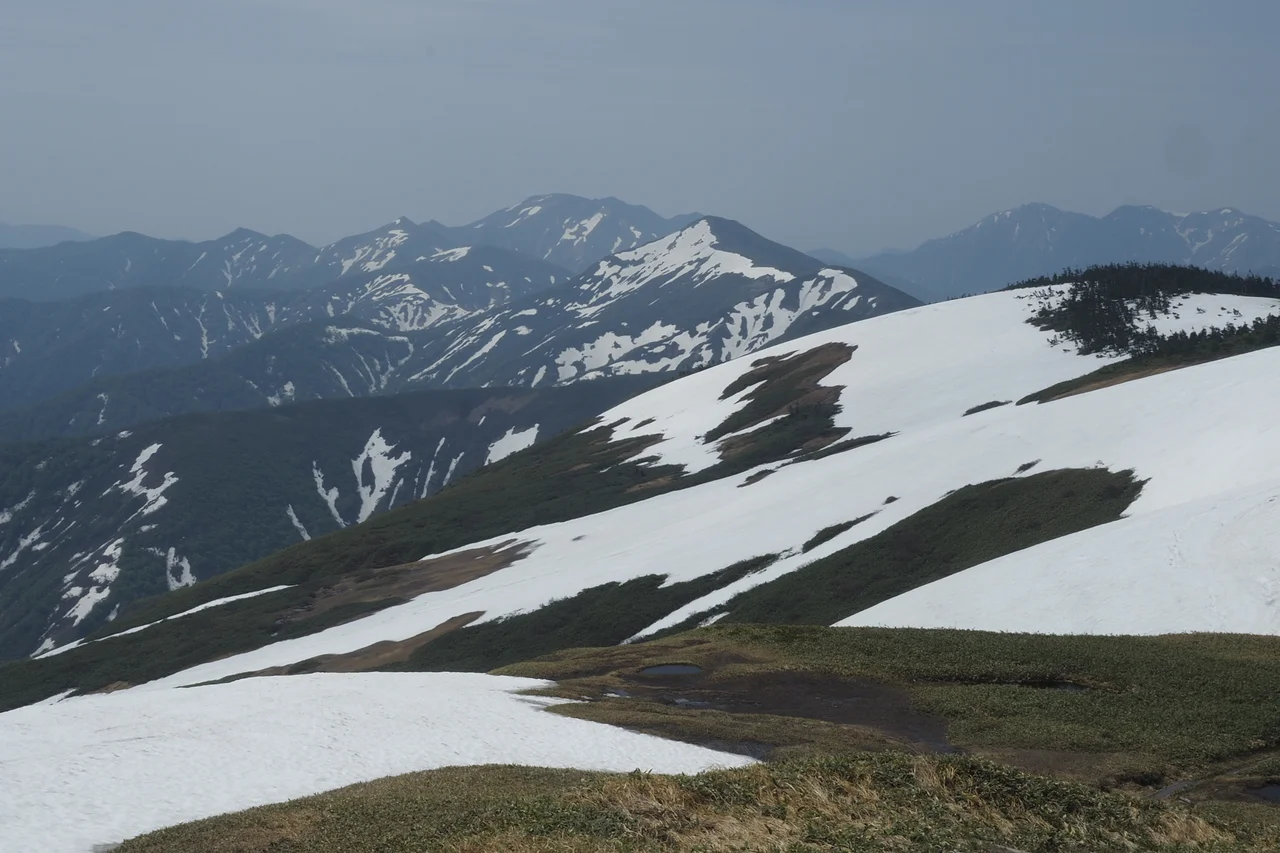
One of Japan’s celebrated mountains, with grasslands and small pools near its summit. The Idone route from Sakurazaka takes around five hours uphill. Start early with hiking boots, rainwear and food. Crampons and an ice axe are essential during the snow season.
Echigo-Komagatake
Summer–autumn / snow often remains until late June; crampons and an ice axe essential in snow
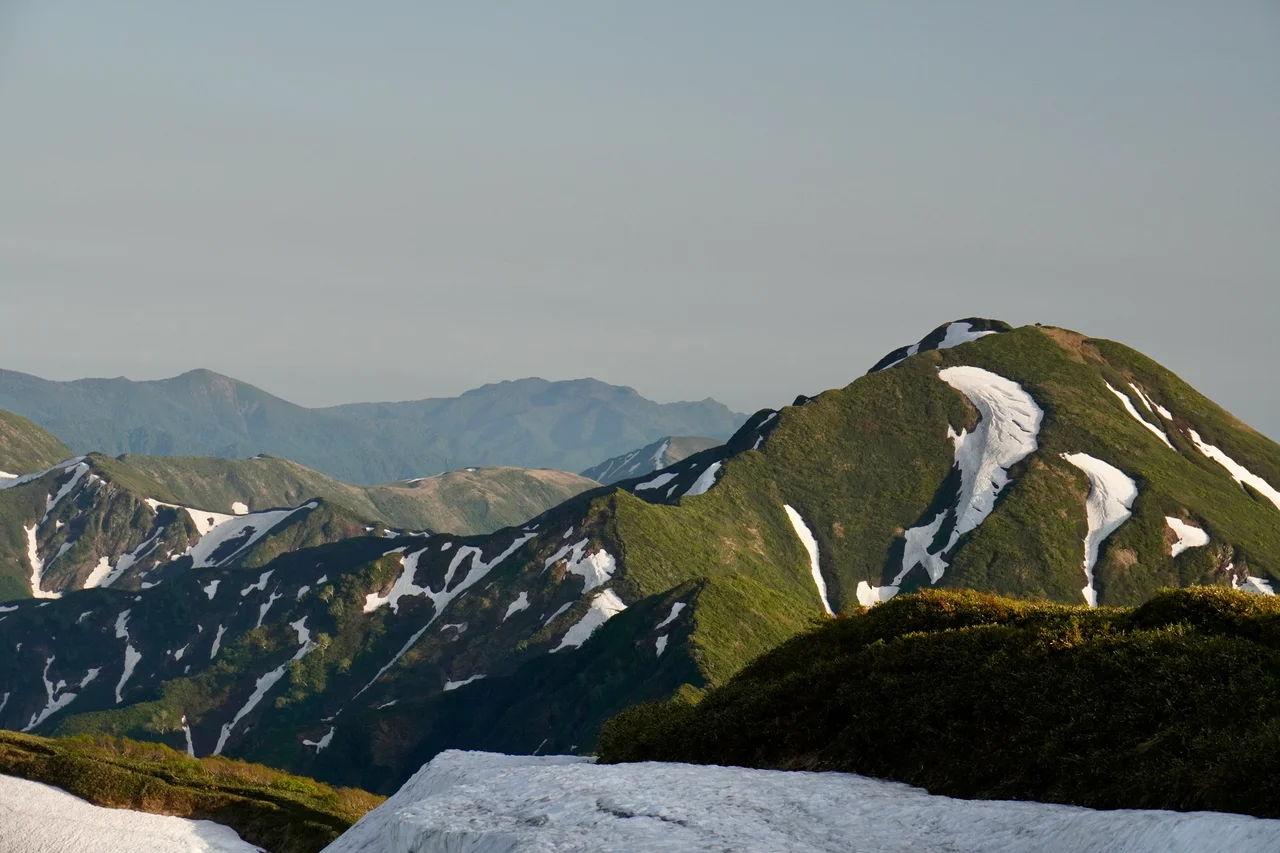
A striking peak in the Echigo Sanzan range. Allow around six hours uphill and 5.5 hours down from Shiori Pass. Hiking boots and rainwear are essential, together with fitness, experience and a carefully planned schedule.
Summer–autumn / snow often remains until late June; crampons and an ice axe essential in snow
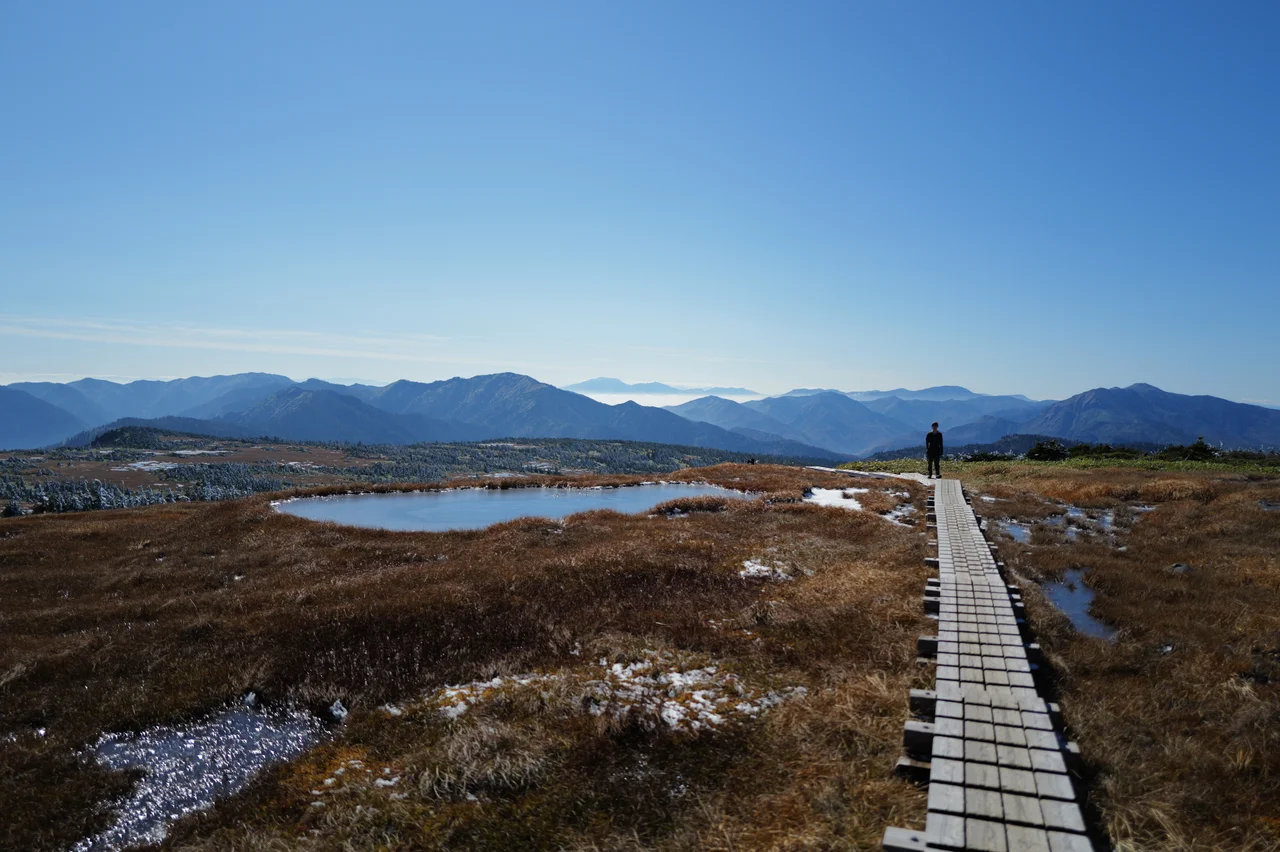
This celebrated mountain has high moorland and many small pools. The ascent takes around 3.5–4 hours from Koakasawa’s third station, or around four hours by the Haraigawa route. Stay on the boardwalks in the wetlands. Hiking boots and rainwear are essential.
Untoan Temple
Spring–autumn / a historic Zen temple among cedar trees
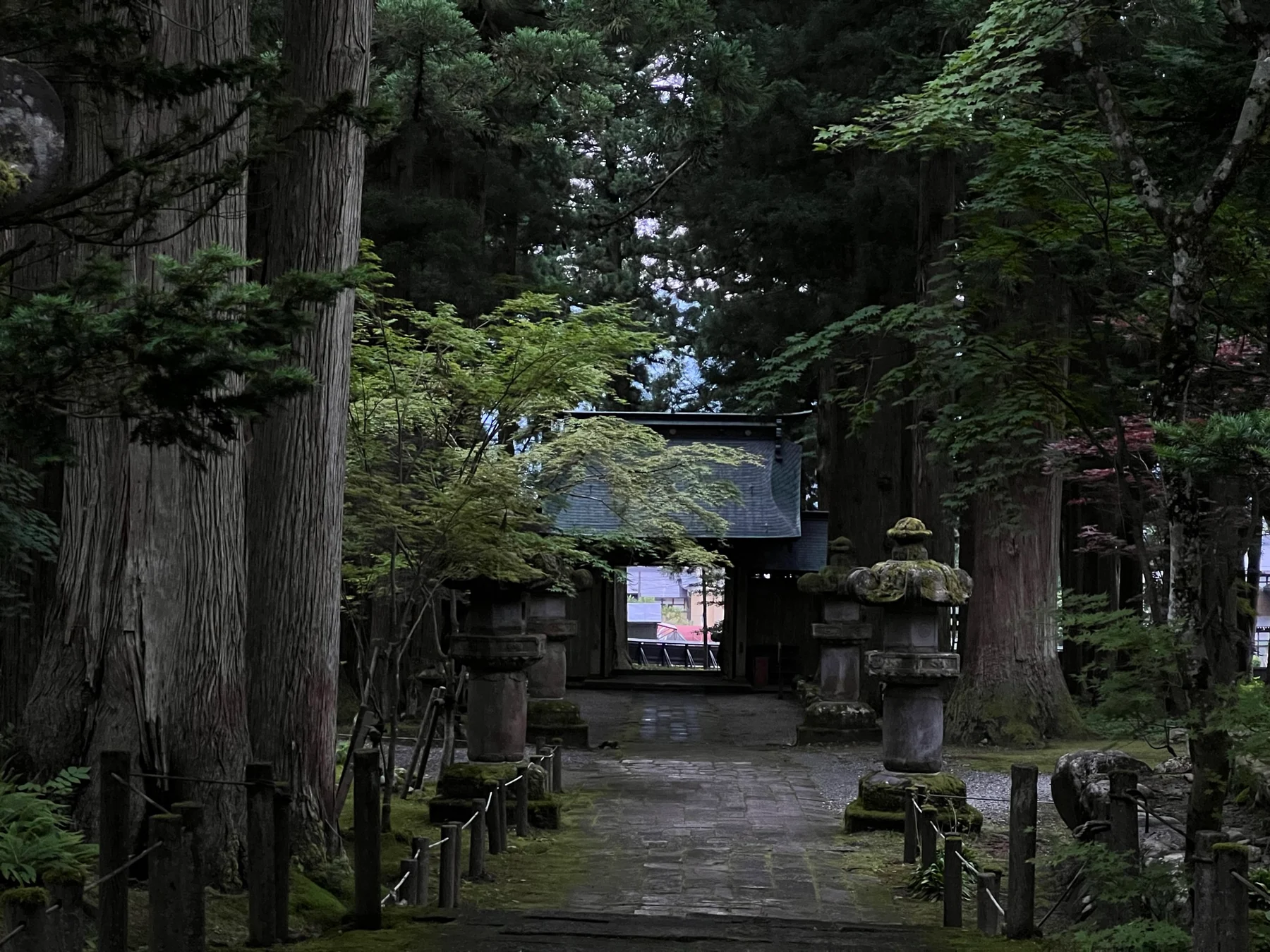
Visit this Zen temple associated with Uesugi Kagekatsu and Naoe Kanetsugu, also featured in the television drama Tenchijin. Its grounds are sheltered by cedar trees. Follow the designated visitor route while the main gate is being restored.
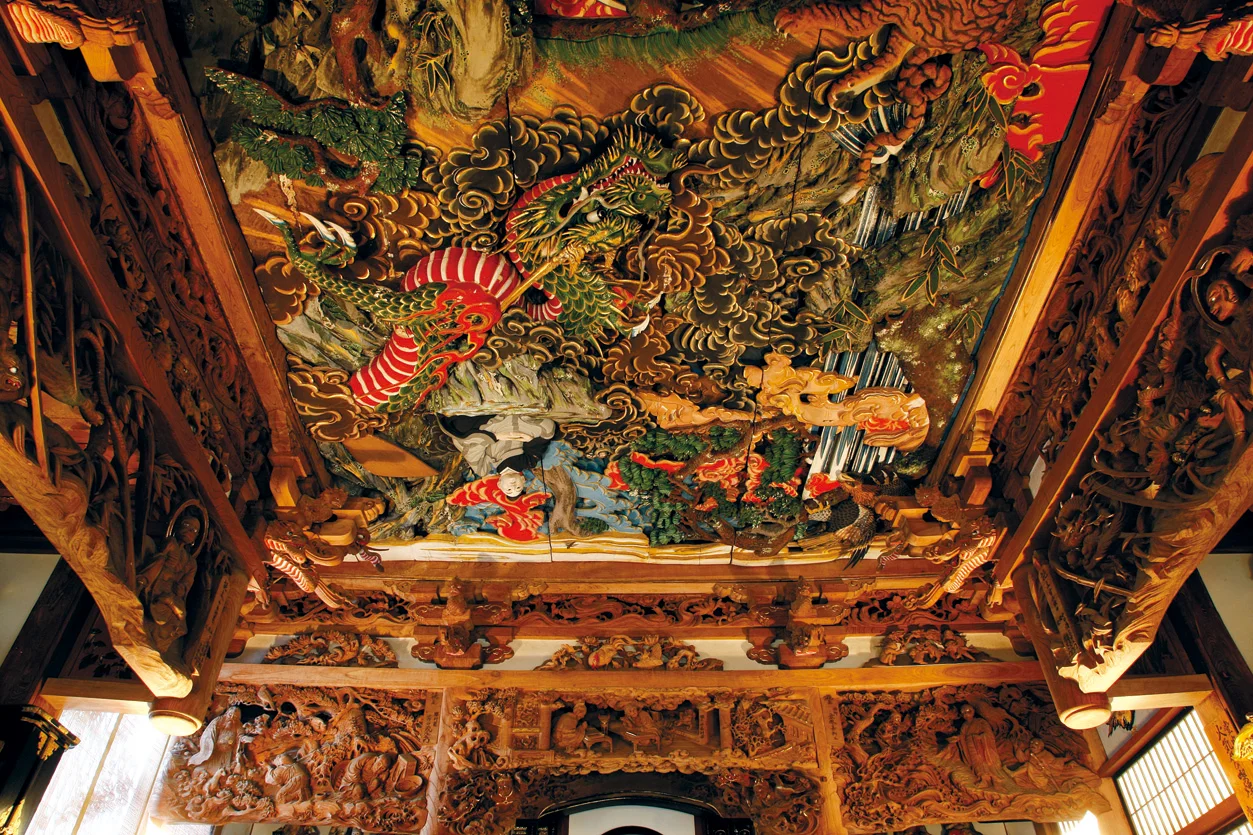
The Kaisando hall features work by the late-Edo-period sculptor Ishikawa Uncho. Look up at the vivid colours and intricate openwork of the ceiling carving depicting Zen master Dogen subduing a tiger. Take time to enjoy its details.
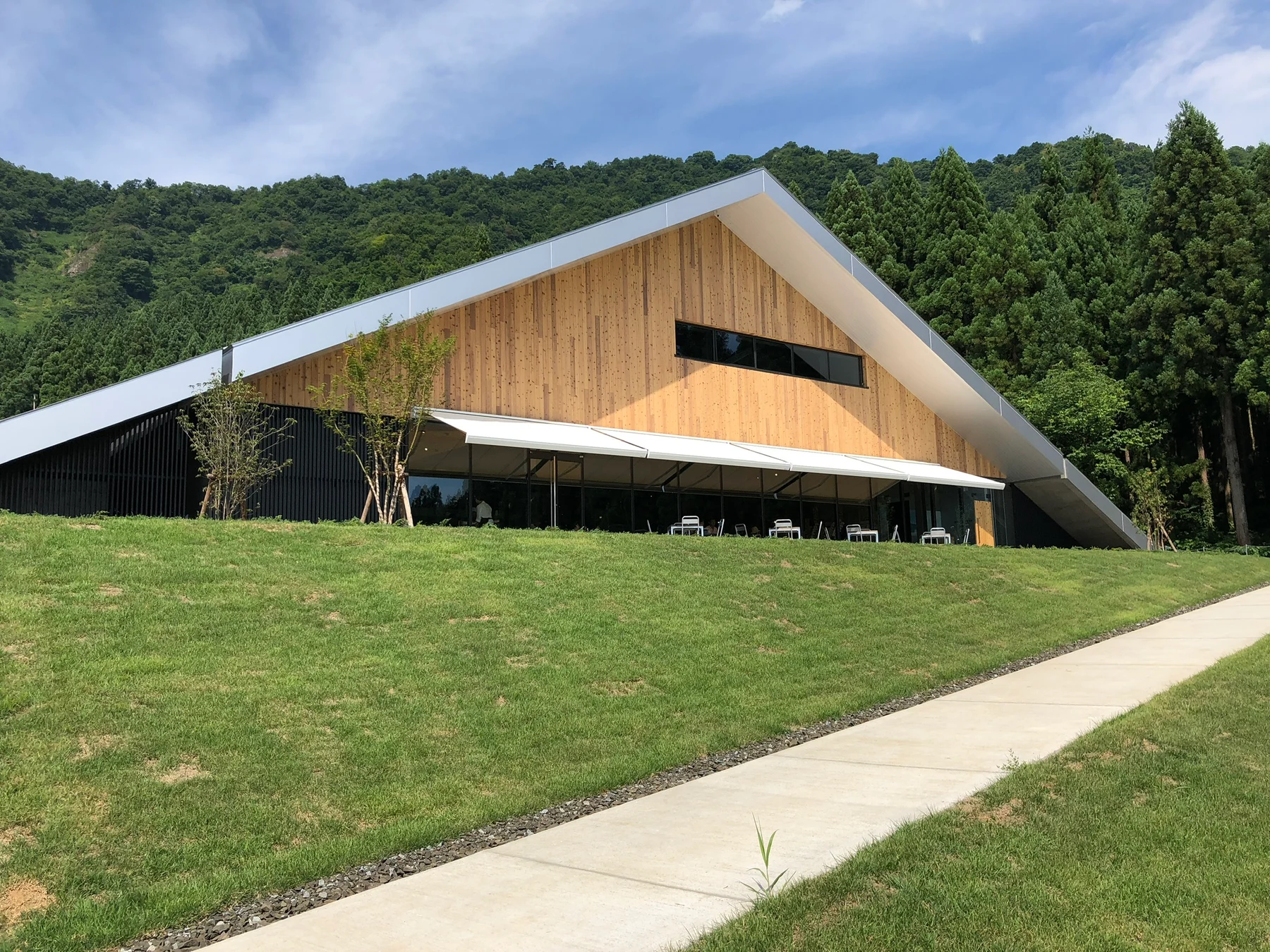
Explore Hakkaisan’s snow-cooled sake cellar, restaurants, confectioners and shops. A tour introduces the storehouse where sake matures using the cold of stored snow. Advance booking is recommended. A pleasant place to discover Uonuma’s flavours.
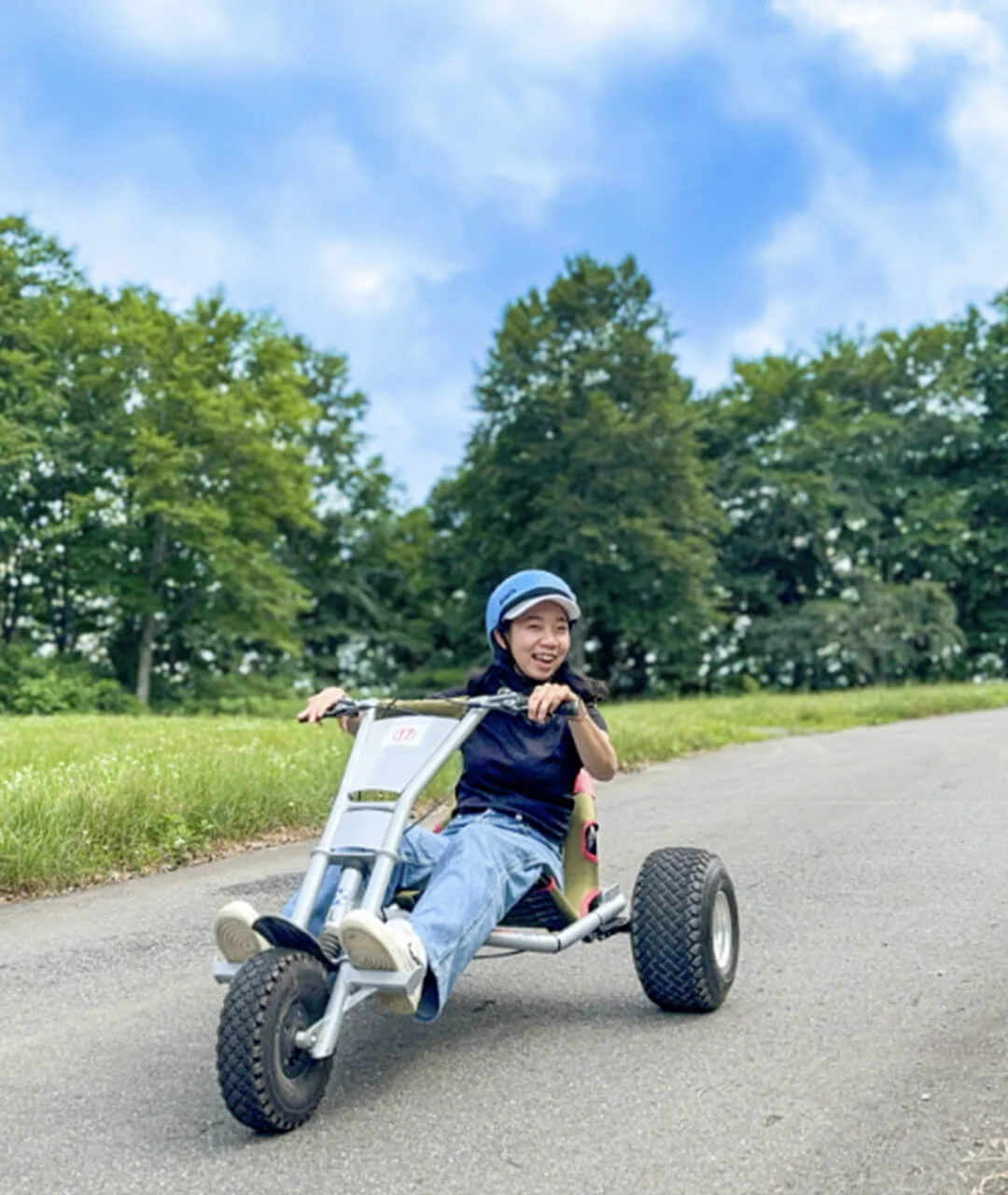
Ride the gondola to enjoy mountain carts and trekking on the plateau. Check age and height requirements for activities and wear clothing suitable for movement. Confirm opening days and any suspended services before visiting.
Six ski resorts with different snow conditions and terrain. Operating seasons depend on snowfall.
Kagura Ski Resort
Usually late November–mid-May
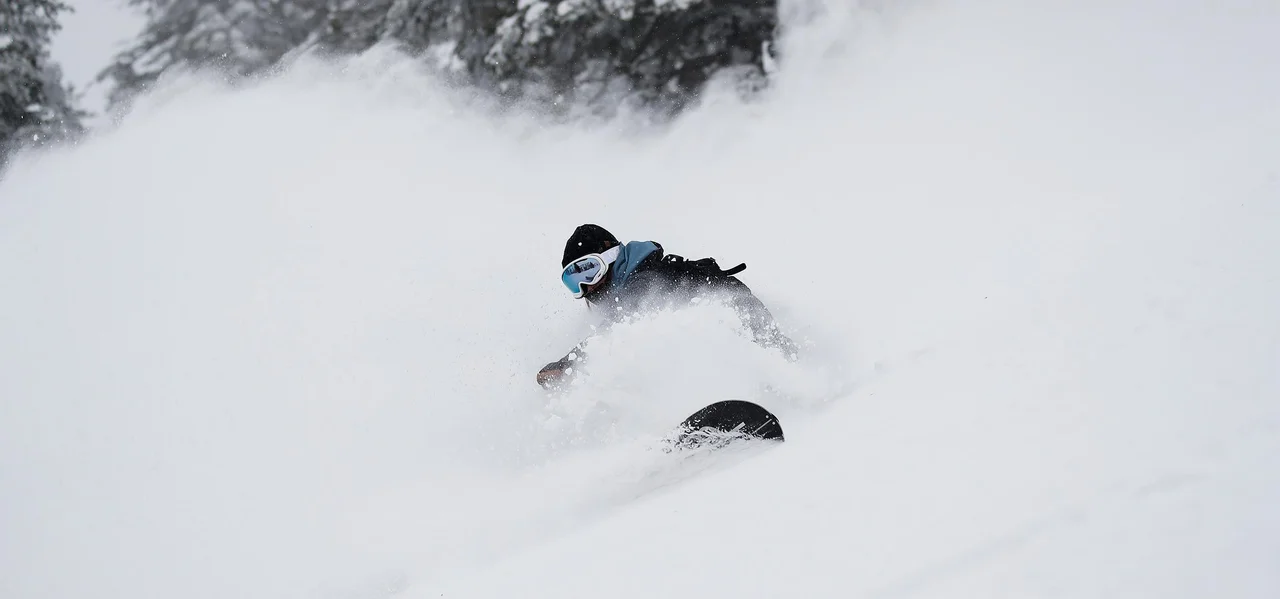
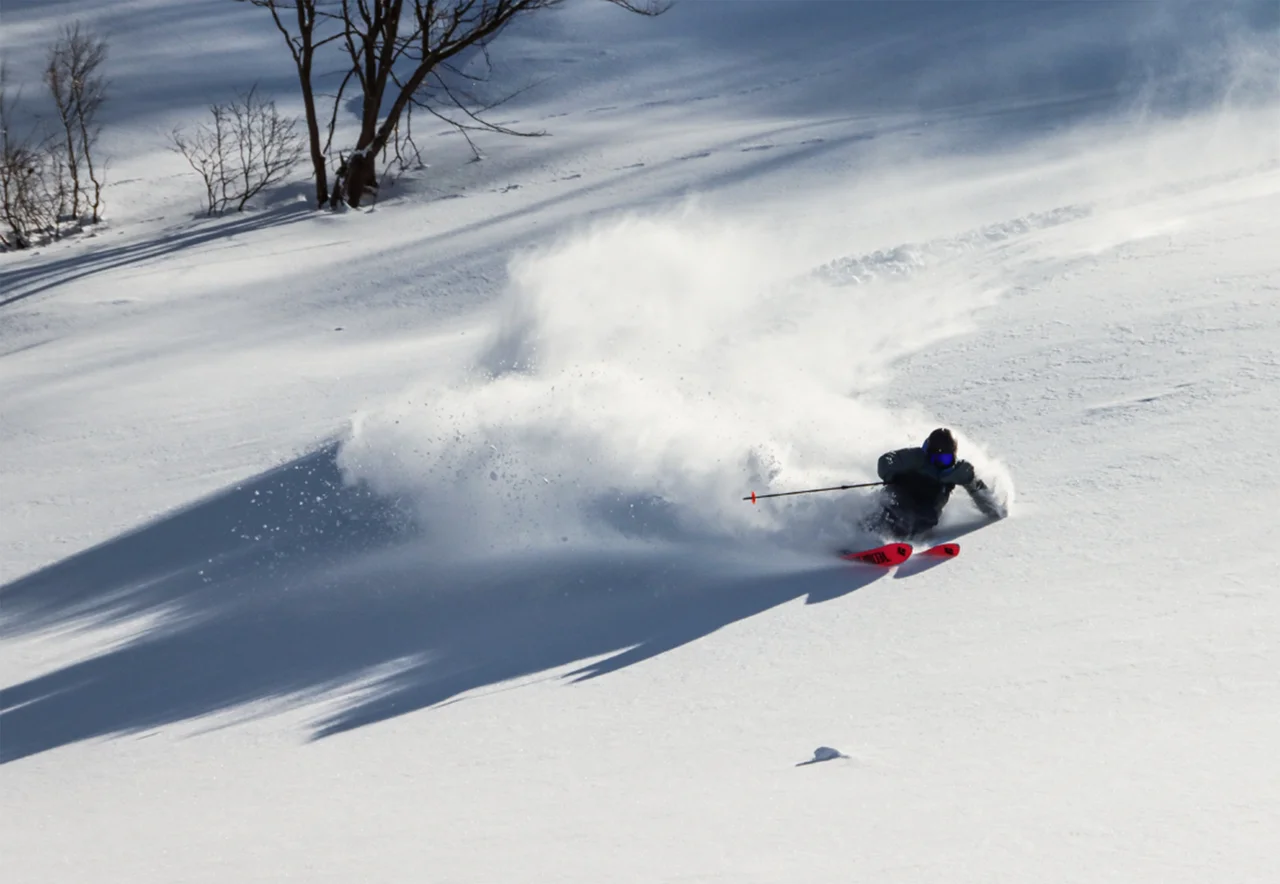
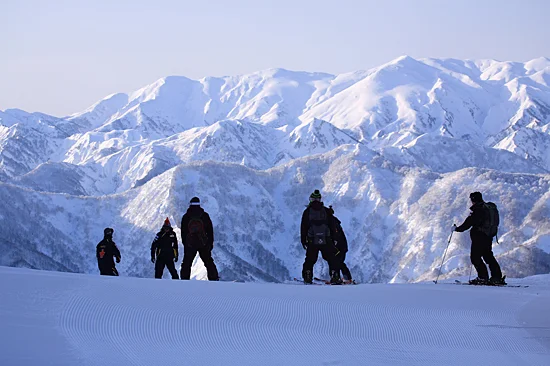
With a highest elevation of 1,845 metres, Kagura is known for dry, light powder that differs from the lower nearby resorts. When exploring its three linked areas, keep an eye on the last connecting lift times.
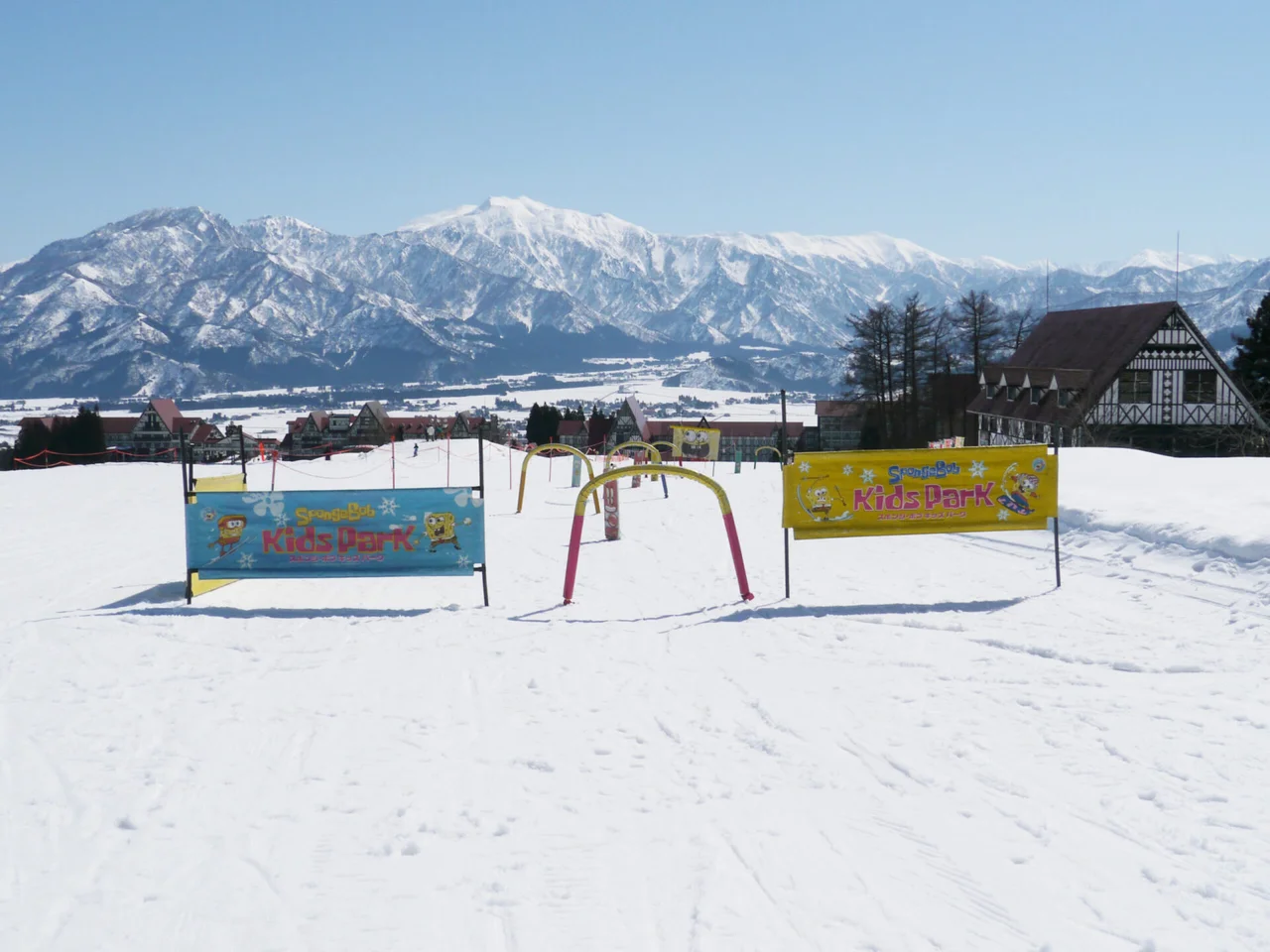
A broad resort with varied slopes to suit different abilities. Snow-play facilities make it an option for families too. Leave plenty of time to return when skiing further from your starting point.
Three areas offer 26 courses, with good snow in the Okusoeji area. Enjoy long runs of up to around six kilometres and fresh powder after snowfall, choosing terrain suited to your ability.
Open slopes overlook the Uonuma Plain, with a range of courses and a gondola ride up the mountain. For evening skiing, check the night-skiing schedule before setting out.
Directly connected to Gala-Yuzawa Station on the Joetsu Shinkansen, with a gondola to the slopes. Extensive rental services make a day trip convenient. Spring operating areas depend on snow conditions; check in advance.
A ropeway leads to long descents, with steep slopes and moguls popular among intermediate and advanced skiers. Enjoy the mountain setting on terrain that suits your fitness and ability.
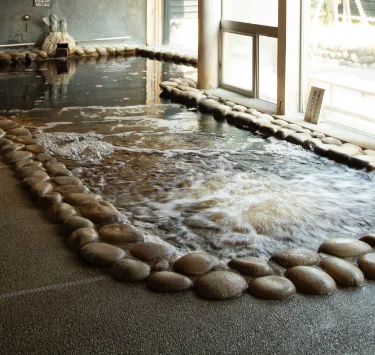
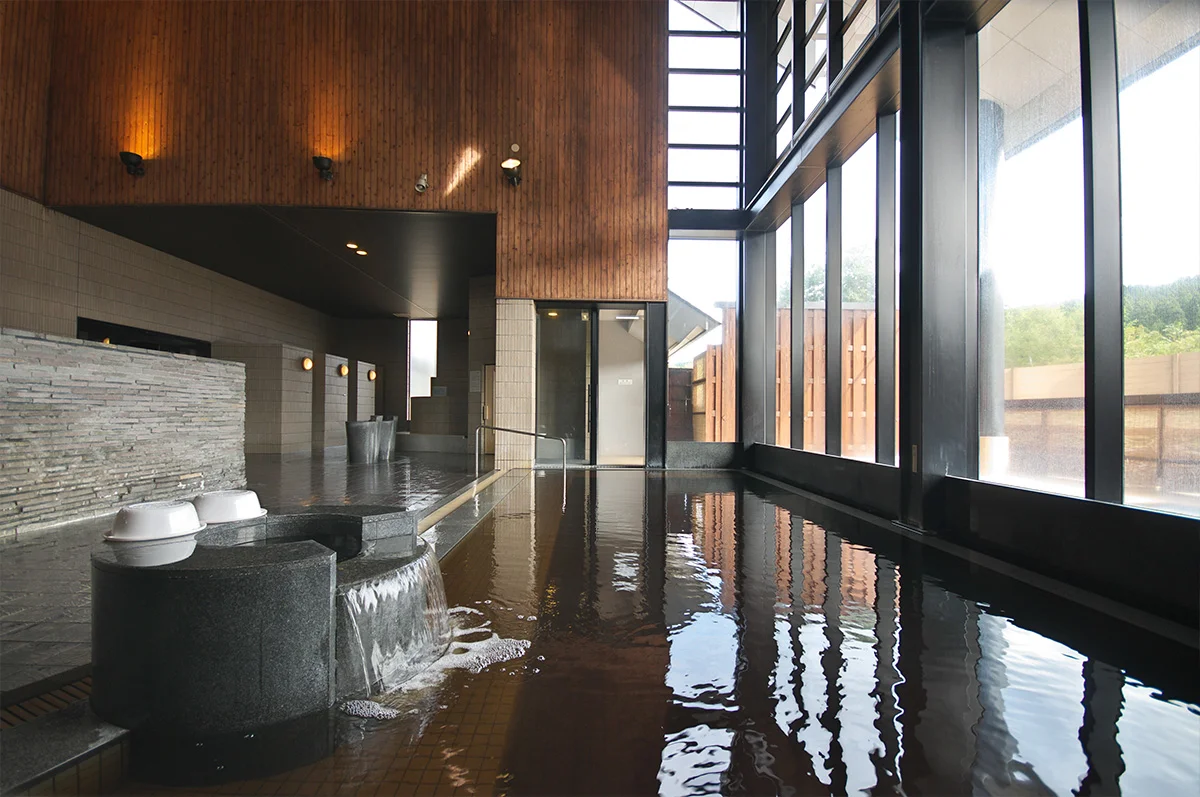
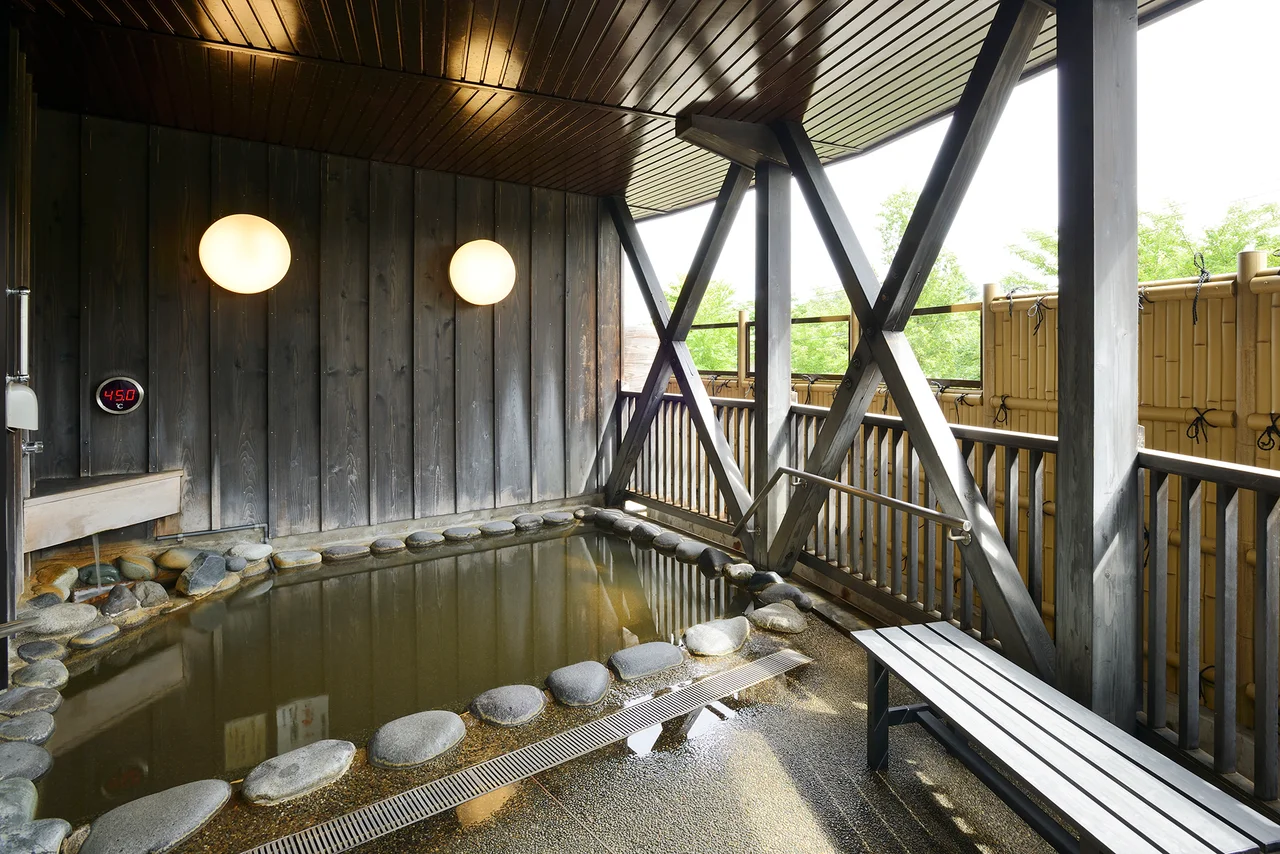
From small communal bathhouses to facilities with open-air pools. Check day-visit admission and closing days.
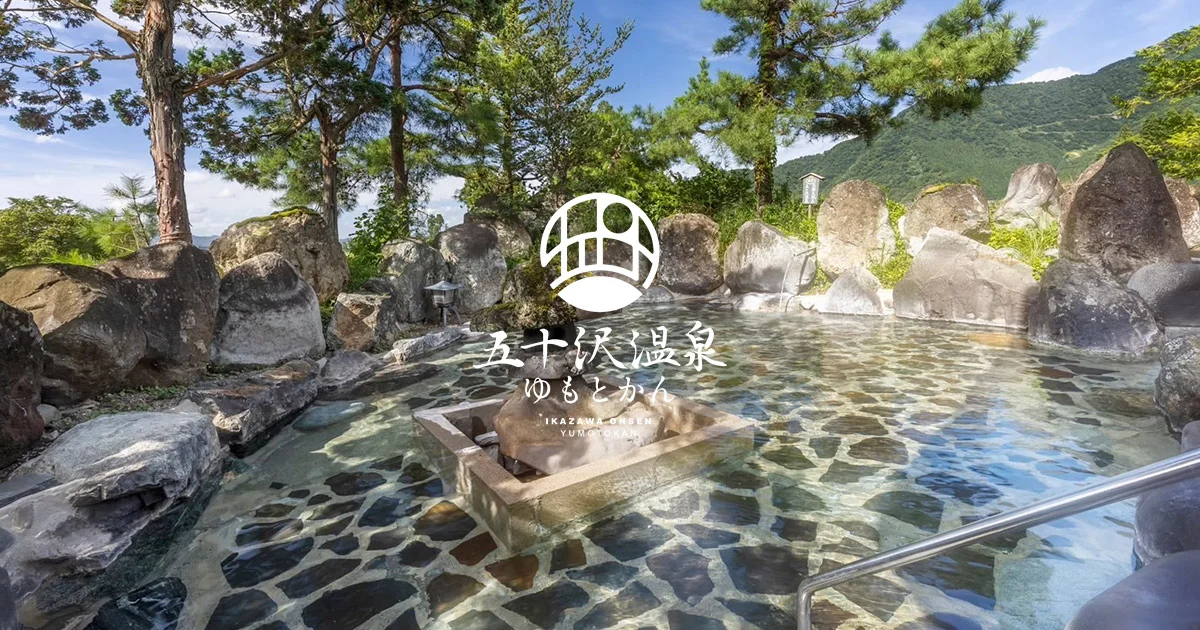
Ikazawa Onsen Yumotokan
Minamiuonuma / free-flowing spring water
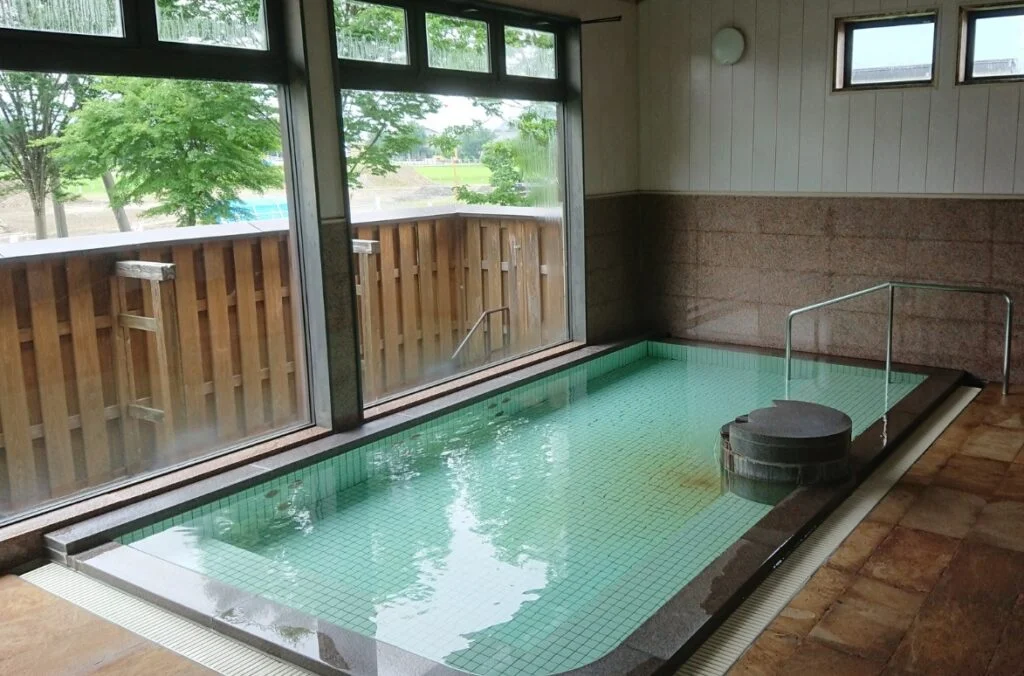
Enjoy abundant spring water with a sulphurous aroma. There are mixed-gender rock and large open-air baths as well as separate indoor baths. Check day-visit admission and bathing arrangements for the time of your visit.
A neighbourhood bathhouse in central Muikamachi, convenient during a walk or shopping trip. Bring towels, shampoo and soap, or purchase them at reception.
A simple day-use bath with indoor pools, popular with local residents. Its alkaline simple spring water is heated to a comfortable temperature and flows through the baths. A choice for visitors who enjoy an unpretentious bathing experience.
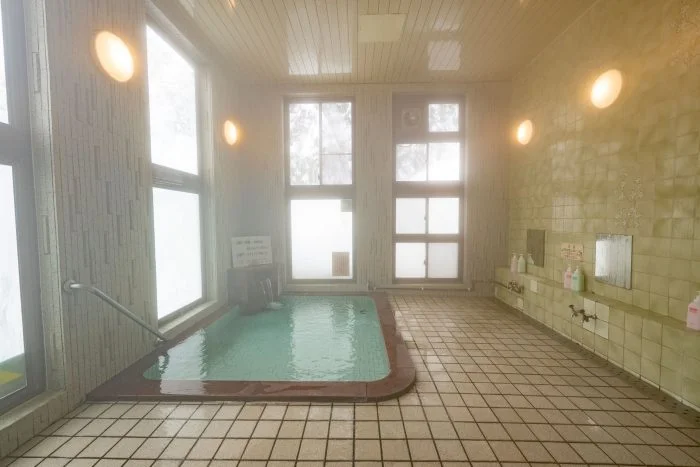
A traditional communal bath with a sulphurous aroma. The small indoor pool holds around five or six people. A place to appreciate the water itself, sharing the space considerately with local bathers.
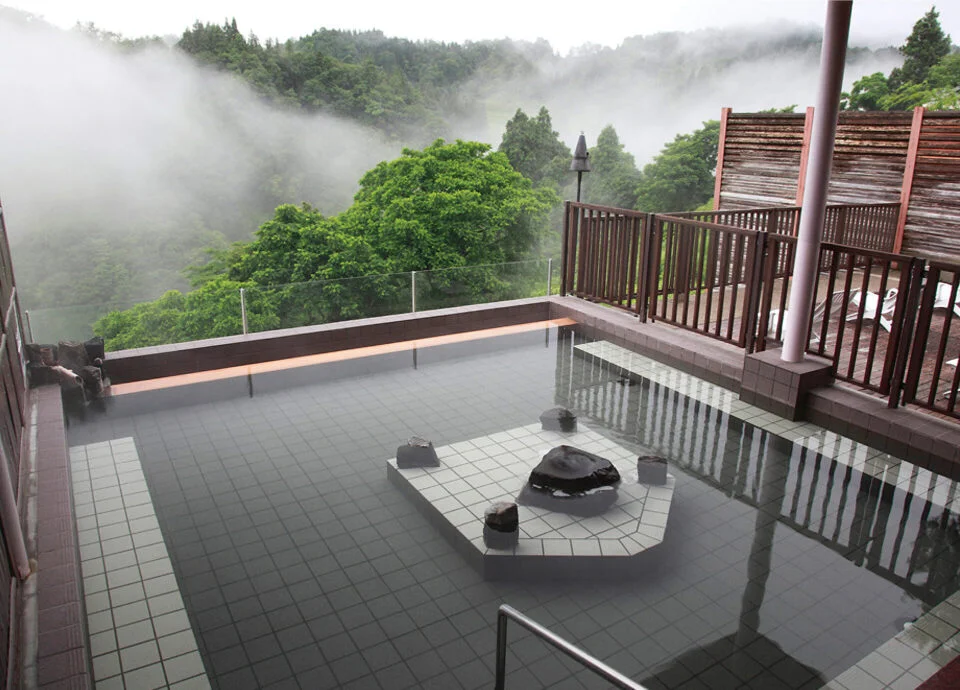
A day-use facility with the mineral-rich water of Matsunoyama Onsen. Water from its own spring is cooled by heat exchange and flows through the baths. Open-air bathing with mountain views and a sauna make it suitable for a leisurely visit.
Enjoy brown-tinted spring water without reheating or circulation. Indoor baths in cypress or stone are complemented by open-air pools. The men’s and women’s bathing areas change weekly, offering a different view on return visits.
A day-use facility with brown-tinted water, spacious pools, open-air baths and a sauna. Pause between sightseeing stops, or take time for a meal and a longer rest.
A locally loved bath beside the Kiyotsu River, with water that is neither reheated nor recirculated. Relax in the open-air bath, watching the river and the changing mountain scenery.
Places to continue your journey or visit on the way home. Driving times are approximate, starting from the main Satoyama Jujo property.
Ginzan-daira and Oze Jujo
Niigata / about 1 hour 15–30 minutes by car
Continue your journey into the mountains and lakes around Ginzan-daira, perhaps combining it with a stay at Oze Jujo. The Oze wetlands require additional transport and walking. Note that mountain roads close in winter.
Visit Imori Pond, where Mt. Myoko is reflected in the water, and the tumbling Naena Falls. A circuit of Imori Pond takes around 15 minutes. Enjoy green-season walks or visit for skiing in winter.
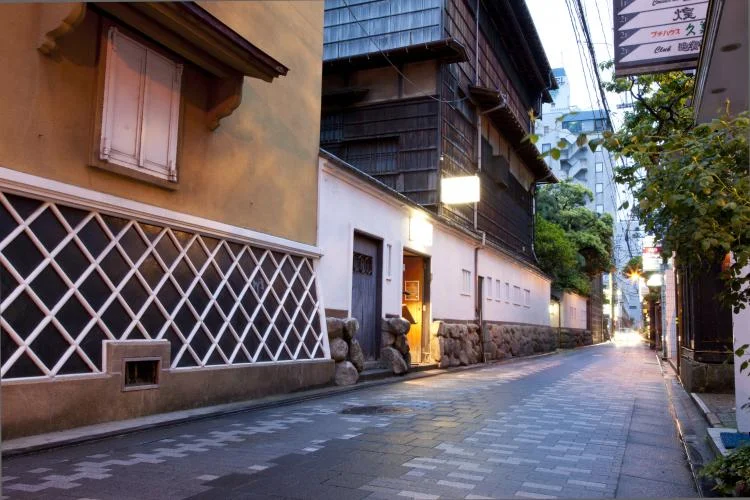
Explore a town of fermentation, with sake, miso and soy-sauce storehouses. Walk among historic buildings and visit local producers and shops. Check individual opening days, and do not sample alcohol if you are driving.
Cross Bandai Bridge and explore Furumachi and the history of this port city. Sushi restaurants and markets offer a taste of Niigata. If visiting before a train or flight, plan backwards from your departure time.
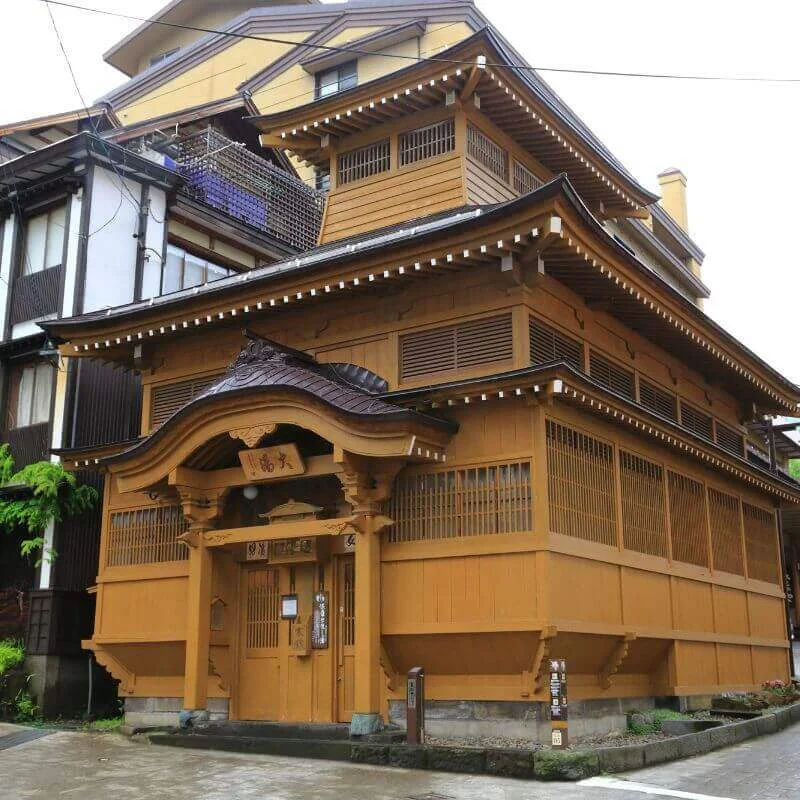
Thirteen communal bathhouses are maintained by the village, with free-flowing spring water. Discover distinctive buildings such as Oyu. Respect bathing customs and do not force yourself into water that feels too hot.
Nagano / about 2 hours by car, plus a 30–35-minute walk
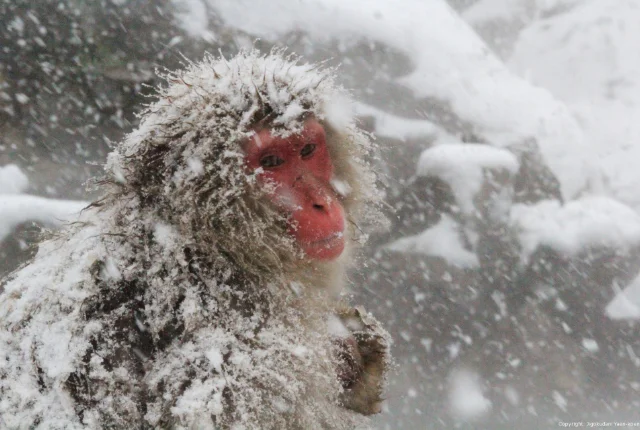
Walk through the forest from Kanbayashi Onsen to observe wild Japanese macaques. Wear shoes with good grip and warm clothing in winter. Do not touch or feed the monkeys; whether they bathe is entirely up to them.
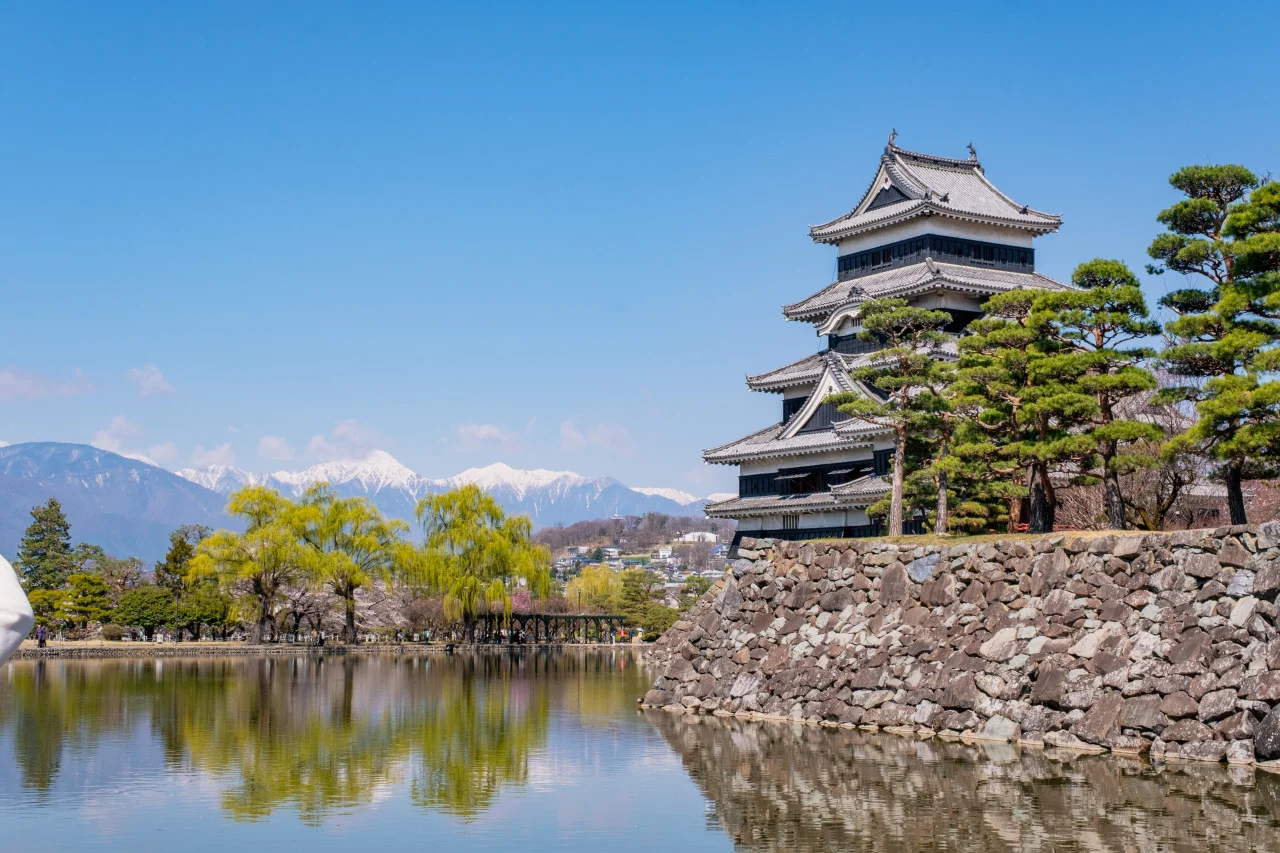
Explore Matsumoto Castle and its surrounding town, then continue to Matsumoto Jujo in Asama Onsen. Combine hot springs, books and architecture with an overnight stay at the foot of the Northern Alps before continuing towards Tokyo or Nagoya.
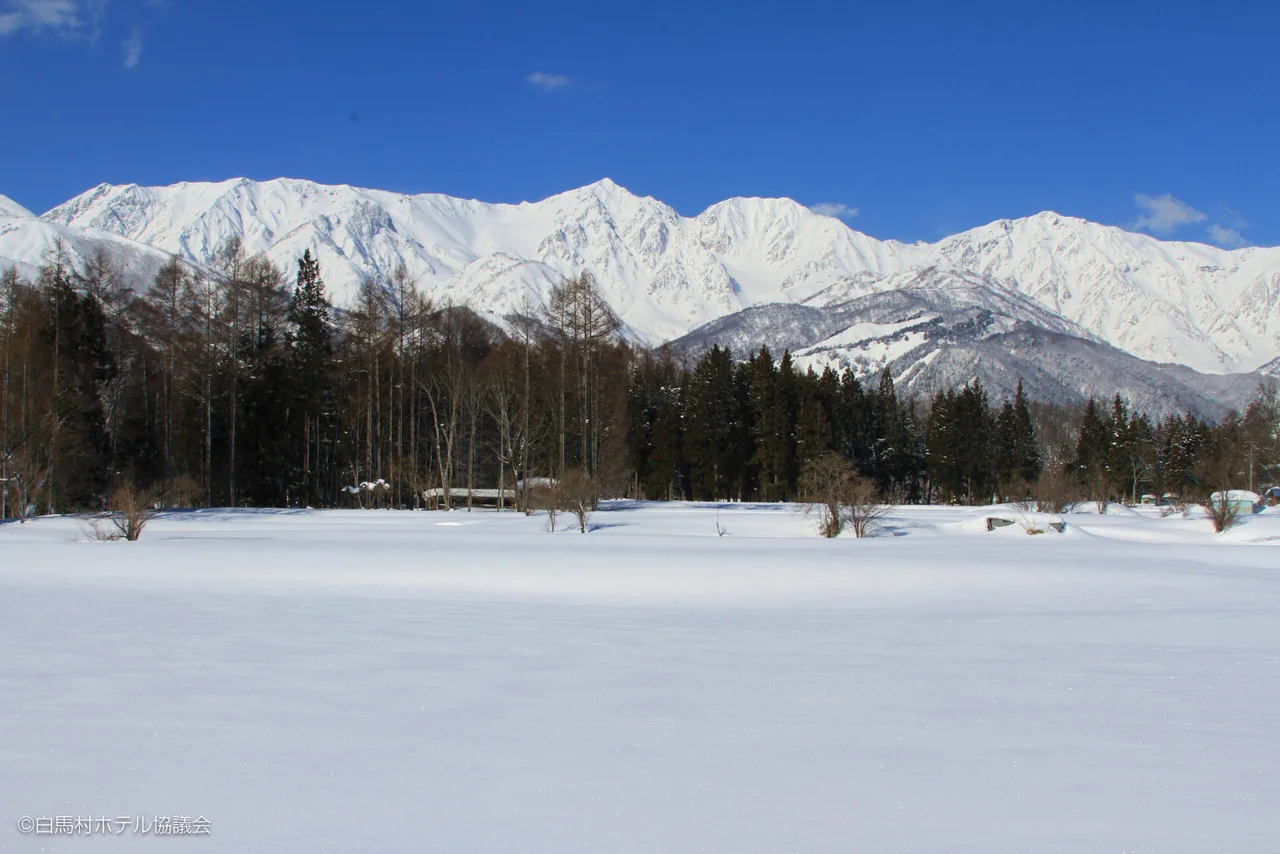
A mountain resort with views of the Northern Alps. Take a gondola for highland walks in summer or visit its many ski areas in winter. Distinguish gentle sightseeing walks from mountain hikes and dress for the altitude and weather.
Opening days, hours, operating seasons and road access may change. Check the official information before setting out. Driving times are approximate, starting from the main Satoyama Jujo property and including expressways where applicable. Allow extra time in winter and heavy traffic.